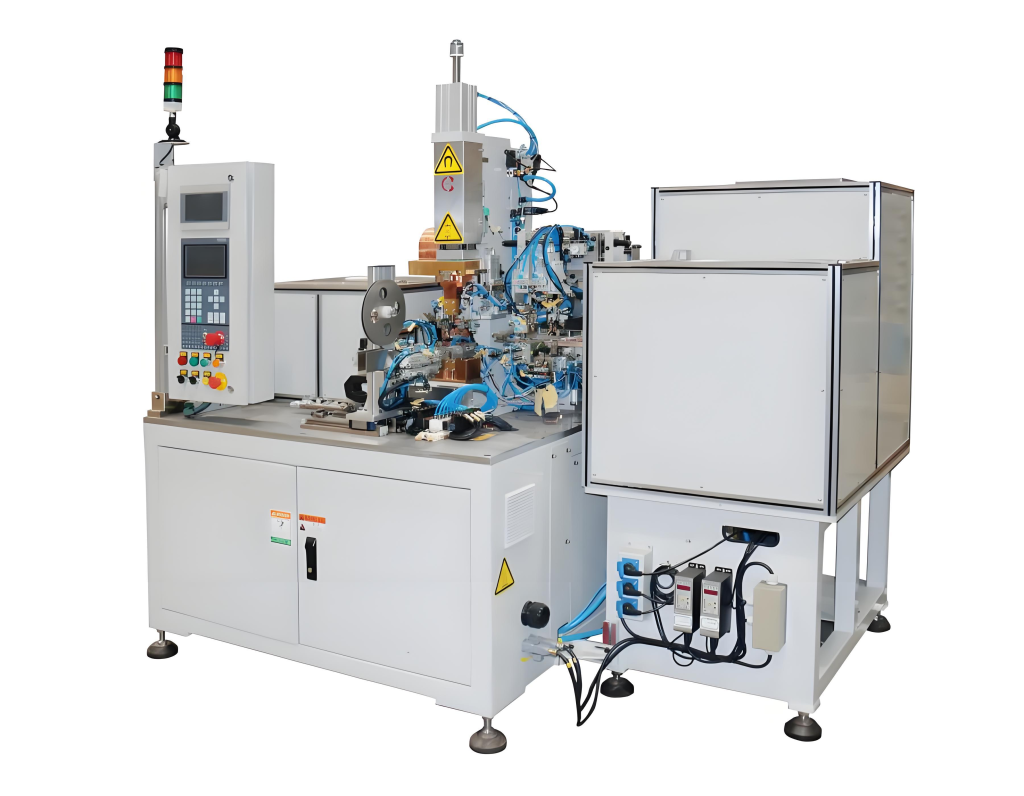
In the automotive parts and home appliance manufacturing industries, unexpected failures of aluminum spot welders do more than slow production—they directly increase operating costs. Industry data indicates that nearly 80% of early failures result from overlooked basic maintenance. With proper preventative maintenance, equipment lifespan can be extended from eight years to over ten years, while repair costs can be reduced by up to 70%.
Based on proven industry practices, this guide provides a maintenance checklist for aluminum spot welders to help production teams maintain stable performance, minimize downtime risks, and protect long-term equipment investments.


Maintenance by Cycle: Right Actions at the Right Time
Aluminum spot welders require regular and quantitative inspections, with distinct core objectives and operational priorities at each stage:1. Daily Maintenance: Mitigate Immediate Risks
Conducted daily maintenance to identify potential failure risks in aluminum spot welders, focusing on three critical areas:Cooling system
Verified cooling water temperature and pressure prior to aluminum spot welder startup, ensuring adequate flow by inspecting water pipes. Recommended using deionized water or dedicated coolant to prevent mineral deposits from tap water, which could block microchannels and trigger thermal protection or damage power modules.Electrode Condition
Cleaned electrode tips with a copper brush after the aluminum spot welder shutdown to remove weld residue and oxide layers. Addressed surface indentations or deformations by lightly dressing with fine sandpaper. Removed zinc buildup after welding galvanized materials to maintain uniform current distribution.Safety Devices
Tested the emergency stop function to confirm the aluminum spot welder immediate shutdown. Inspected electrode arm fasteners for looseness, preventing weld misalignment due to mechanical play during operation.2. Weekly Maintenance: Protect Wear Components
Electrode Assembly Maintenance
Electrodes are among the fastest-wearing components in the aluminum spot welder. Remove the conductive blocks at the spindle, clean contact surfaces with alcohol wipes, and apply conductive grease to minimize resistance. Redress severely worn tips with a dedicated tool or replace them using quick-change electrodes.Pneumatic System Inspection
Drain condensate from the air preparation unit and verify pressure regulator valve stability. Insufficient pressure may reduce electrode force, increasing the risk of arcing and spatter.