An electrical contact welding machine is a resistance-based welding system that joins metal components by applying pressure and passing an electric current through the contact points of the workpieces. The heat generated at the point of contact — due to the material’s electrical resistance — melts the metal locally, forming a strong, permanent weld without the need for filler material, flux, or shielding gas.
This welding method is widely used in industries that manufacture electrical contacts, switchgear, relays, circuit breakers, and other components where precision, strength, and conductivity matter. In this guide, we’ll explain how an electrical contact welding machine works, the different types available, its key applications, and how to choose the right machine for your production needs.
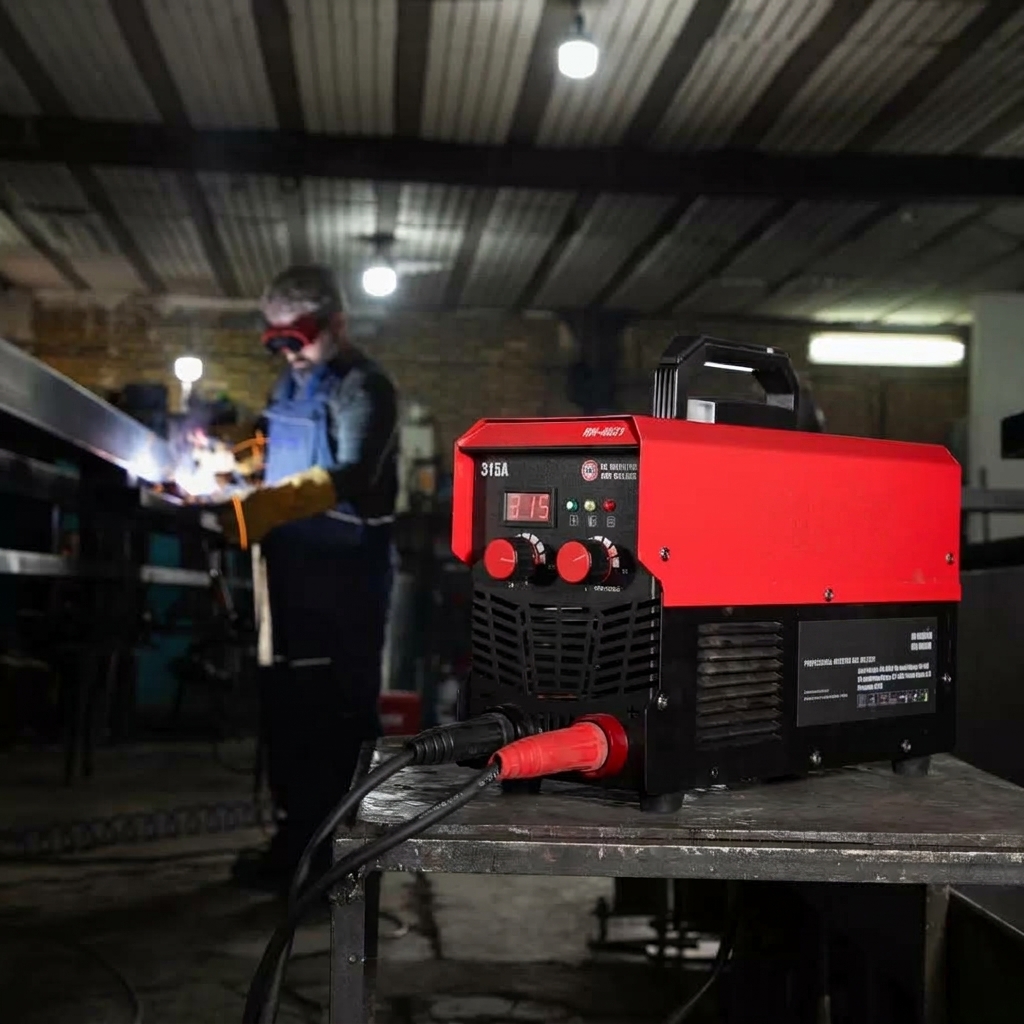
What Is an Electrical Contact Welding Machine?
An electrical contact welding machine is a type of resistance welding equipment specifically designed to weld electrical contact materials — such as silver alloys, copper, and copper-tungsten — onto base metals like copper or brass strips. These contacts are essential components in switches, relays, circuit breakers, and connectors, where a reliable electrical and mechanical bond is critical for performance and safety.
Unlike traditional arc welding, this process relies on resistance heating. When current flows through two metal surfaces pressed together, resistance at the joint generates intense, localized heat. Combined with applied pressure, this heat fuses the materials at the molecular level, creating a joint that is both electrically conductive and mechanically strong.
How Does an Electrical Contact Welding Machine Work?
The working principle of an electrical contact welding machine can be broken down into four main stages:
- Positioning – The contact material and base metal are aligned and clamped in place using electrodes.
- Pressure Application – The machine’s electrodes apply controlled mechanical pressure to hold the parts together.
- Current Flow – A high-amperage, low-voltage electric current passes through the joint, generating resistance heat at the contact interface.
- Cooling & Solidification – Once the current stops, the molten metal cools and solidifies under continued pressure, forming a solid metallurgical bond.
This entire cycle typically takes a fraction of a second, making the process extremely fast and suitable for high-volume production lines.
Types of Electrical Contact Welding Machines
Depending on production requirements, several types of electrical contact welding machines are available:
1. Single-Phase Contact Welding Machine
Ideal for small to medium-sized contacts, offering good control over current and pressure for precision applications.
2. Three-Phase Contact Welding Machine
Delivers more stable and balanced power output, making it suitable for welding larger or thicker contact materials with consistent quality.
3. Capacitor Discharge (CD) Welding Machine
Uses stored energy from capacitors released in a very short burst, ideal for delicate contacts that require minimal heat-affected zones.
4. Automatic/CNC Contact Welding Machine
Integrated with feeding and positioning systems for high-speed, high-precision mass production, reducing manual labor and human error.
5. Pneumatic and Servo-Controlled Machines
These use pneumatic or servo motor-driven electrode heads to apply precise, repeatable pressure — improving weld consistency across large batches.
Key Applications of Electrical Contact Welding Machines
Electrical contact welding machines are used across multiple industries, including:
- Switchgear manufacturing – welding silver contacts onto circuit breaker components
- Relay production – joining small precision contacts for control relays
- Electrical connectors – bonding contact tips for plugs and sockets
- Automotive electronics – welding contacts in fuses, switches, and sensors
- Home appliance manufacturing – contact welding in thermostats, switches, and control panels
Advantages of Using an Electrical Contact Welding Machine
- High weld strength with excellent electrical conductivity
- No filler metal or flux required, reducing material costs
- Fast cycle times, supporting high-volume production
- Minimal heat-affected zone, preserving the properties of surrounding material
- Consistent, repeatable welds when using automated or CNC systems
- Energy-efficient compared to arc or gas welding methods
Choosing the Right Electrical Contact Welding Machine
When selecting a machine, consider the following factors:
- Material type and thickness – silver, copper, or copper-alloy contacts each require specific current and pressure settings
- Production volume – automatic machines suit high-volume runs, while manual or semi-automatic machines work well for smaller batches
- Precision requirements – delicate contacts benefit from capacitor discharge or servo-controlled machines
- Machine power rating – ensure the transformer capacity matches your welding current needs
- After-sales support and spare parts availability – critical for minimizing downtime in continuous production
Why Choose Heron Welder for Your Contact Welding Needs?
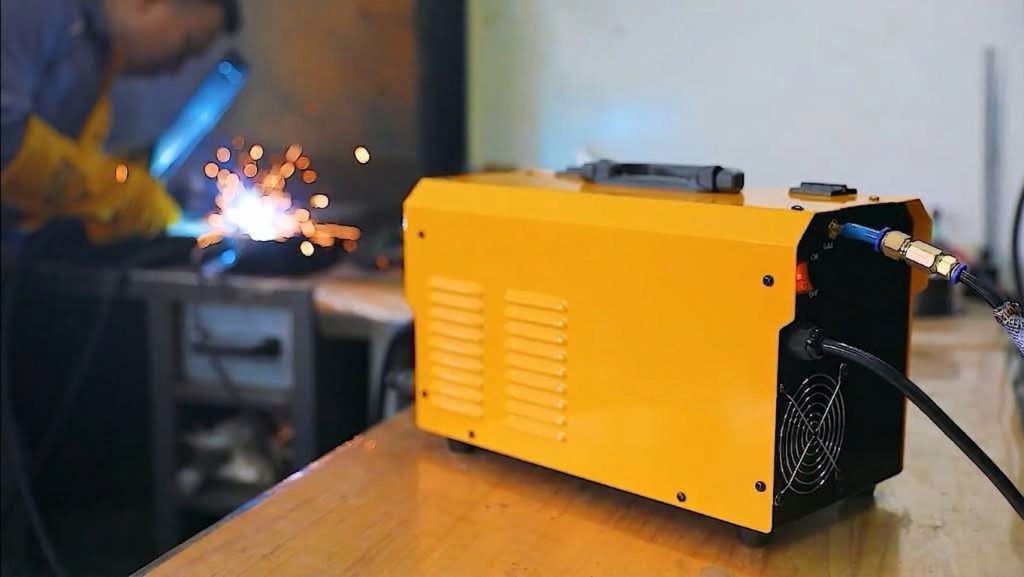
At Heron Welder, we design and manufacture a wide range of resistance welding machines, including precision electrical contact welding machines built for switchgear, relay, and connector manufacturers. Our machines are engineered for durability, energy efficiency, and consistent weld quality across high-volume production environments.
To explore our full range of welding solutions, visit our resistance welding machines category page, or check out our spot welding machines for related joining applications. You can also read more about welding machine maintenance tips on our blog to keep your equipment running at peak performance.
Frequently Asked Questions (FAQs)
Q1. What materials can be welded using an electrical contact welding machine?
Common materials include silver, silver alloys, copper, copper-tungsten, and other conductive metals typically used in electrical contacts.
Q2. Is electrical contact welding the same as spot welding?
They are similar in principle — both use resistance heating — but contact welding is specifically optimized for joining small precision electrical contact materials, whereas spot welding is more general-purpose.
Q3. How long does a typical contact weld take?
Most welds are completed in milliseconds to a few seconds, depending on material thickness and machine settings.
Q4. Can electrical contact welding machines be automated?
Yes, many modern machines come with automatic feeding, positioning, and CNC control for high-speed, high-precision production.
Conclusion
An electrical contact welding machine is an essential piece of equipment for manufacturers producing switchgear, relays, connectors, and other electrical components that rely on strong, conductive joints. By understanding the working principle, available machine types, and key selection criteria, manufacturers can choose equipment that improves weld quality, boosts production efficiency, and reduces operational costs.
For high-performance, reliable electrical contact welding machines, explore Heron Welder’s product range at our website.