
If your production line still relies on outdated welding methods to attach nuts to structural components, you’re probably paying for it in ways that don’t always show up on a single line item. Rejected parts, post-weld rework, blown thread coatings, and inflated electricity bills all quietly chip away at your margins. A modern nut welding machine changes that equation — and for many manufacturers, it does so by a meaningful margin.
This guide breaks down what a nut welding machine actually does, why traditional methods fall short on today’s high-strength materials, and how Heron’s medium-voltage capacitor discharge technology has helped manufacturers reduce operating costs by as much as 40%. Whether you’re an engineer evaluating new equipment, a plant manager trying to cut downtime, or a procurement lead comparing suppliers, this article will give you a clear, practical understanding of what to look for — and why Heron is worth a closer look.
What Is a Nut Welding Machine and Why It Matters in Production
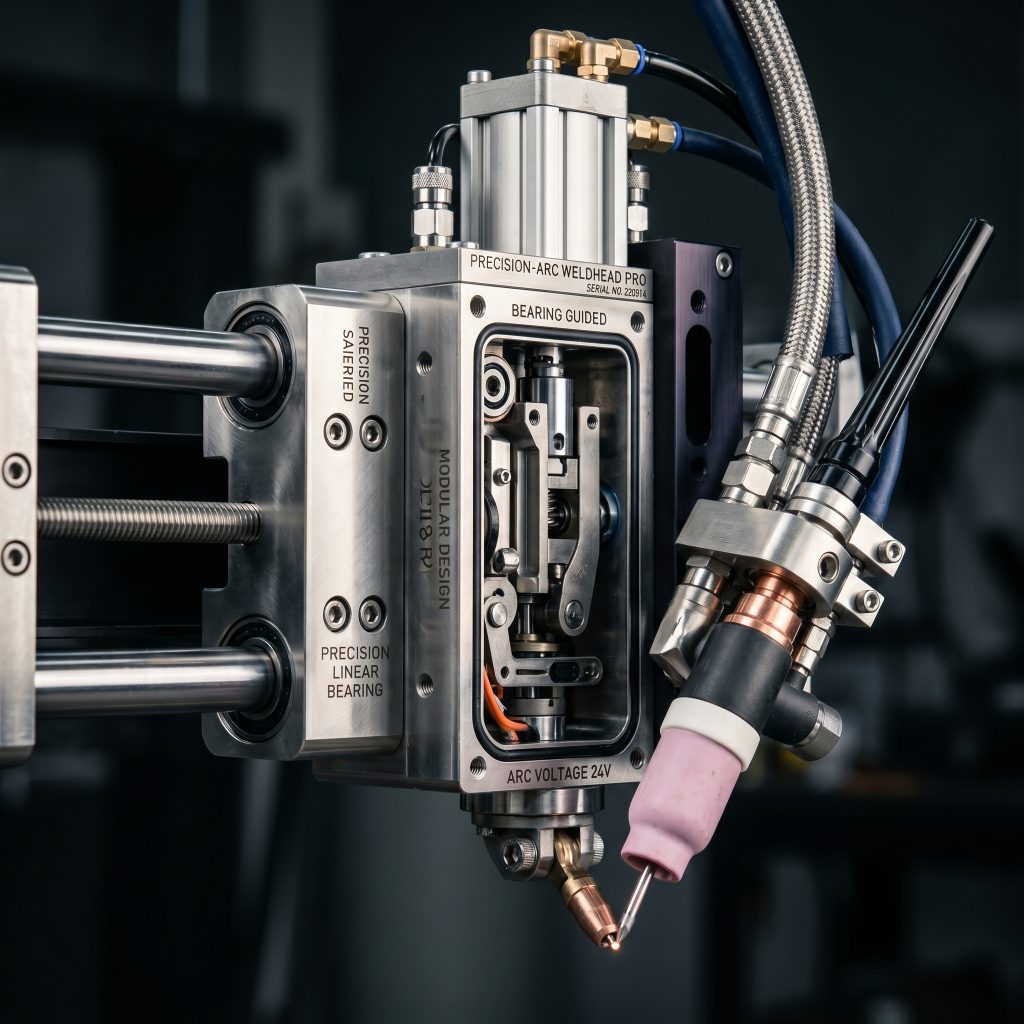
A nut welding machine is a specialized resistance welding system built to permanently join threaded nuts to metal panels, brackets, or structural parts. Instead of drilling, tapping, or using mechanical fasteners, the nut is welded directly onto the surface using a process called projection welding — where small raised “projections” on the nut concentrate current and pressure into a precise weld point.
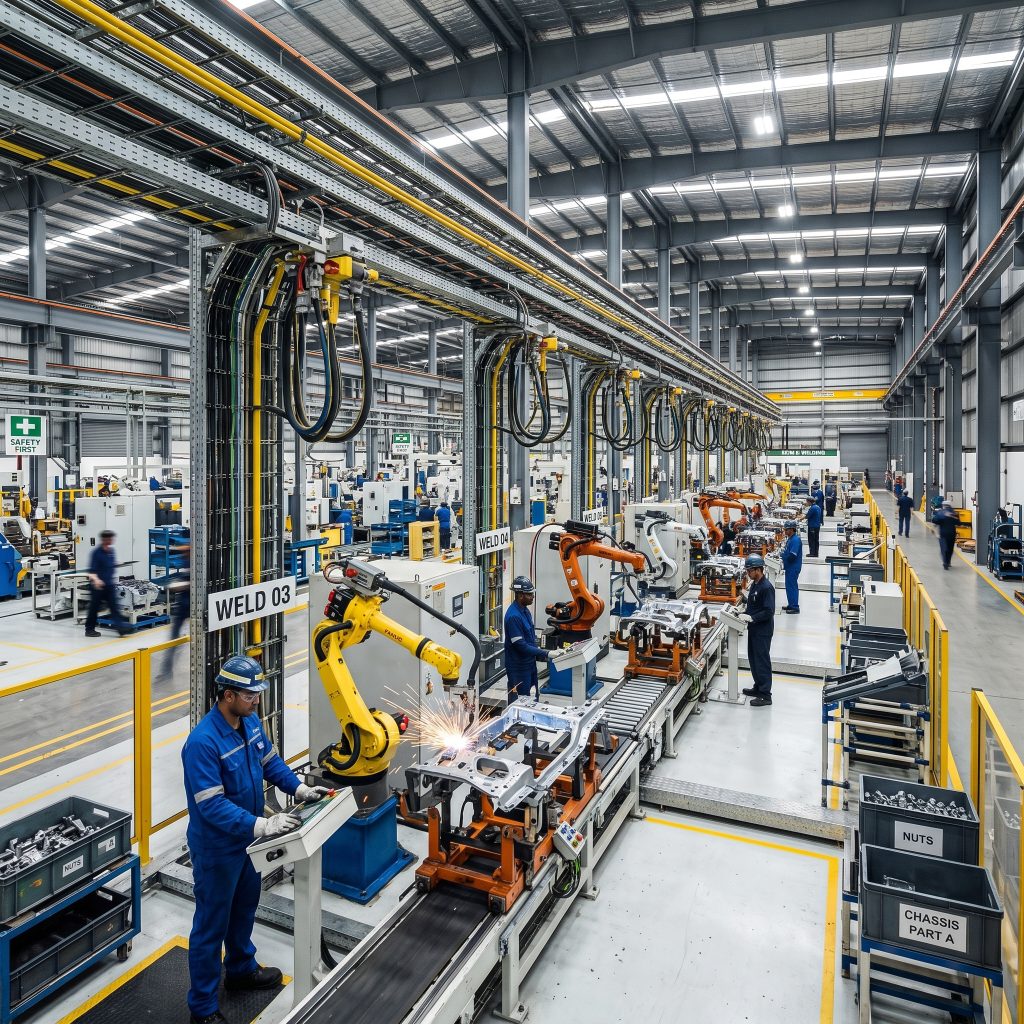
This matters because nuts welded onto structural and safety-critical assemblies — think A/B pillars, bumper beams, subframes, and door anti-collision structures in vehicles — need to hold up under real-world stress for the life of the product. A poorly welded nut isn’t just a quality issue; it’s a potential safety issue. That’s why automotive OEMs and Tier 1 suppliers in particular have moved toward purpose-built nut welding machines rather than relying on general-purpose welding equipment. For more details, CLICK HERE.
The Hidden Costs of Outdated Nut Welding Methods
Many manufacturing teams don’t realize how much an underperforming nut welder is costing them until they start tracking the numbers. The costs tend to show up in three main areas.
Inconsistent Weld Quality and Rework
Older or general-purpose welders often struggle to form a stable weld nugget consistently across thousands of cycles. The result is a mix of strong welds and weak ones — and since you usually can’t tell which is which just by looking, quality teams end up doing destructive testing, rework, or even scrapping parts that don’t meet strength specs.
Thread and Coating Damage
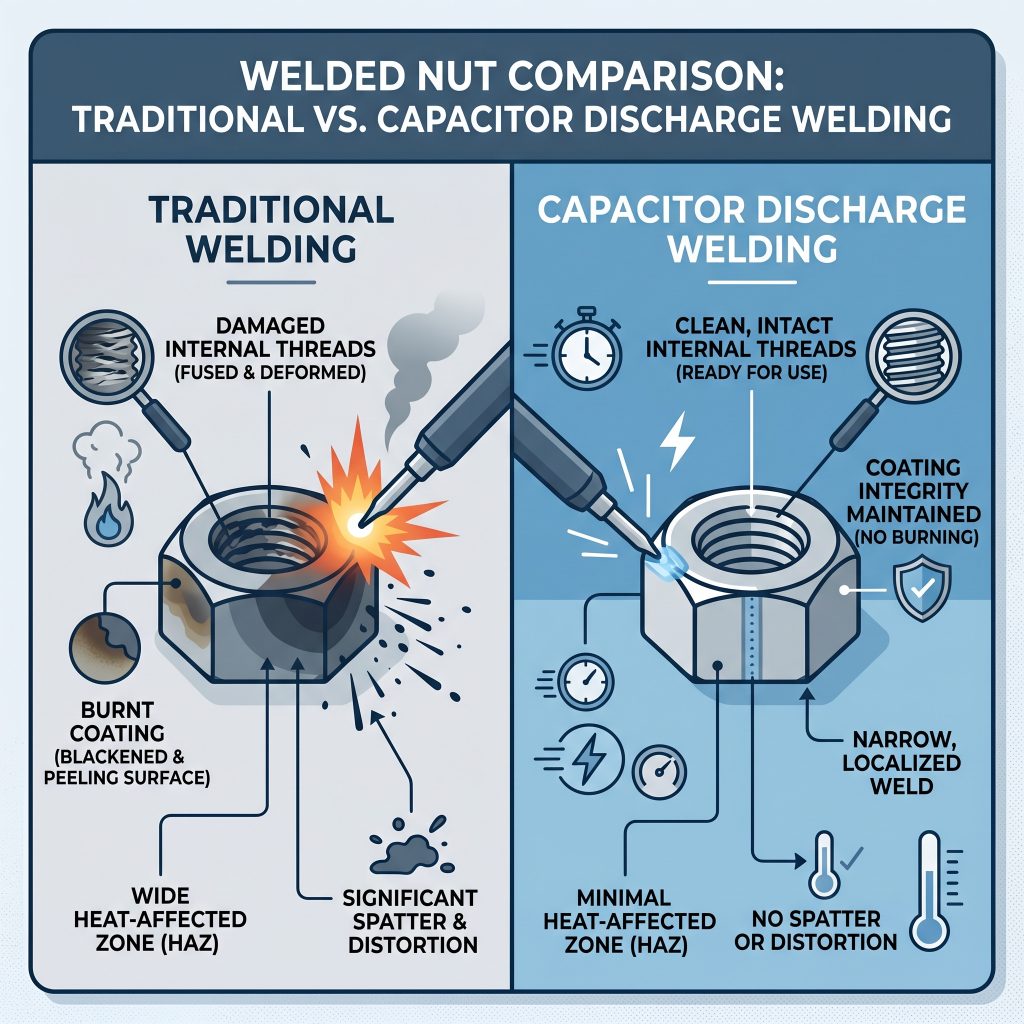
Excess heat input is one of the most common problems in nut projection welding. If the weld cycle runs too long or the current isn’t controlled precisely, the heat can damage the nut’s threads or burn off galvanized and other protective coatings. That means extra steps like re-tapping or post-weld coating repair — both of which add labor and cost without adding any value to the finished part.
High Energy and Cooling Water Consumption
Traditional AC welders and even some mid-frequency DC (MFDC) systems draw significant power and require ongoing cooling. Multiply that across a production line running multiple shifts, and energy costs become one of the largest hidden line items in a welding operation’s total cost of ownership.
How a Modern Nut Welding Machine Solves These Problems
This is where the underlying welding technology makes a real difference — not just in weld quality, but in the total cost of running the equipment day after day.
Capacitor Discharge Technology Explained Simply
A capacitor discharge (CD) nut welding machine works by converting incoming three-phase AC power into DC, which charges a bank of capacitors. When it’s time to weld, a thyristor triggers an almost instantaneous discharge — delivering a short burst of low-voltage, high-current power directly to the nut’s projections.
Because this entire welding cycle happens in well under 20 milliseconds, the heat is concentrated exactly where it’s needed and dissipates quickly. That short, controlled burst is a major reason CD welding has become a preferred alternative to arc welding, brazing, and mechanical fastening for structural nut applications.
Current Ramping for Better Weld Nuggets
Unlike constant-current welding processes, capacitor discharge welding has a natural current ramping characteristic during discharge. In practical terms, this means the current profile naturally matches what’s needed for the molten weld pool to form and expand properly after the projection melts — without the defects (like expulsion or incomplete fusion) that often show up with constant-current methods.
For manufacturers working with high-strength steel, hot-formed steel, or galvanized materials — all common in modern lightweight vehicle structures — this current ramping behavior is a significant advantage. It helps the weld form correctly the first time, on materials that are notoriously difficult to weld consistently.
How Heron’s Nut Welding Machines Cut Costs by Up to 40%
Heron has been refining medium-voltage capacitor discharge nut welding technology since 2010, with a specific focus on the demands of automotive and structural nut projection welding. The cost savings come from three areas working together.
Lower Power Consumption Per Weld
Heron’s nut welding machines are designed to require only a fraction of the grid power used by traditional AC welders, and significantly less than typical MFDC systems. Because each weld cycle is so short and energy is delivered in a concentrated burst rather than a sustained current, less power is wasted as heat that doesn’t contribute to the weld itself.
Reduced Cooling Water Use
Lower power input also means lower heat generation overall, which translates into substantially reduced cooling water consumption. For plants running multiple welding cells across long shifts, this adds up — both in utility costs and in the maintenance burden on cooling systems.
Fewer Rejects, Less Rework, Less Labor
Perhaps the biggest cumulative savings come from getting it right the first time. With more consistent nugget formation and minimal heat-affected zones, Heron nut welders help eliminate the need for tapping, re-threading, and repair welding — all of which consume labor hours and consumables without adding value. When you combine lower energy use, lower cooling demand, and fewer downstream corrections, the result is a meaningful reduction in total annual operating cost for nut welding operations, which is where that 40% figure comes from for many production lines.
What to Look for When Choosing a Nut Welding Machine
If you’re evaluating suppliers, a few factors are worth prioritizing:
- Weld cycle control — Look for systems with precise, repeatable discharge timing rather than relying on operator adjustment alone.
- Material compatibility — Confirm the machine has a proven track record with the specific materials you’re working with, especially high-strength or hot-formed steel and galvanized parts.
- Mechanical durability — Components like the welding head’s guide cylinder affect long-term pressure consistency. A bearing-guided design with tight, adjustable clearance helps maintain stable weld quality over millions of cycles.
- Serviceability — Modular, standardized internal components mean faster maintenance and less downtime when service is needed.
- Integration potential — If you’re running automated lines, check whether the machine can be paired with high-precision positioning fixtures, since positioning accuracy has a direct impact on batch-to-batch consistency.
Heron’s nut welding machines are built around these exact principles — a diamond-guide cylinder with adjustable clearance down to 0.1 mm, modular architecture for fast maintenance, and proven compatibility with the demanding materials used in modern vehicle structures.
Where Heron Nut Welders Are Used in Manufacturing
Heron’s medium-voltage capacitor discharge nut welders are used across a wide range of structural and safety-critical applications, particularly in automotive manufacturing. Common applications include welding nuts onto A/B pillars, bumper beams, center consoles, subframes, and door anti-collision beams — areas where weld integrity is directly tied to vehicle durability and crash performance.
Beyond automotive body and parts manufacturing, the underlying capacitor discharge technology is also well suited to other industries that rely on resistance welding for structural fasteners, including general manufacturing and equipment assembly.
Why Manufacturers Choose Heron
Heron, “make joining simple,” has spent over a decade developing and refining capacitor discharge welding technology specifically for the toughest nut projection welding challenges. Its nut welders are already in use on high-volume automotive production lines with leading OEMs and Tier 1 suppliers worldwide — not as a generic add-on, but as purpose-built equipment engineered around the realities of modern vehicle materials.
For engineering and procurement teams, that track record matters. You’re not just buying a machine; you’re buying a decade-plus of process refinement aimed at solving the exact problems — inconsistent welds, material compatibility, positioning accuracy, and operating costs — that make nut projection welding difficult in the first place.
If your team is weighing whether to upgrade existing equipment or specify a nut welding machine for a new line, Heron can provide case studies, technical data, and tailored recommendations based on your specific parts, materials, and production volumes.
Frequently Asked Questions
Q1. What is the difference between a nut welder and a standard spot welder?
A nut welder is purpose-built for projection welding, where current is concentrated through small raised projections on the nut to form a precise, repeatable weld nugget. A standard spot welder is designed for general sheet-to-sheet welding and typically isn’t optimized for the current control and cycle timing that threaded fastener welding requires.
Q2. Why is capacitor discharge welding better for high-strength steel?
High-strength and hot-formed steels are sensitive to heat input — too much heat can affect material properties and weld strength. Capacitor discharge welding delivers a very short, concentrated burst of current, completing the weld cycle in under 20 milliseconds, which minimizes the heat-affected zone and helps preserve the material’s mechanical properties.
Q3. Can a nut welding machine damage the nut’s threads or coating?
With poorly controlled equipment, yes — excessive heat or an extended weld cycle can damage threads and burn off galvanized coatings. Properly designed capacitor discharge nut welders are engineered to minimize heat input specifically to avoid this issue.
Q4. How much can switching to a modern nut welding machine actually save?
Savings depend on your current equipment, materials, and production volume, but they typically come from three sources: reduced energy consumption per weld, lower cooling water use, and fewer rejected or reworked parts. Combined, these factors are why some production lines using Heron’s nut welders report annual operating cost reductions of up to 40%.
Q5. What industries use nut welding machines besides automotive?
While automotive structural and safety components are the most common application, any manufacturing process that needs to permanently attach threaded fasteners to metal parts — including general industrial equipment and appliance manufacturing — can benefit from projection-welded nuts.
Q6. Does Heron offer support for integrating a nut welder into an existing line?
Yes. Heron works with engineering and procurement teams to assess production requirements, materials, and layout, and can recommend configurations — including integration with positioning fixtures — suited to your specific line.
Get a Custom Nut Welding Solution from Heron
Outdated welding methods don’t just create quality headaches — they quietly drive up your cost per part, shift after shift. If you’re ready to see what a purpose-built nut welding machine could do for your weld quality, energy bills, and rework rates, Heron’s team can walk you through the technical details and help you figure out what fits your production line.