Aluminium has become one of the most widely used materials in modern manufacturing. Industries such as automotive, HVAC, electrical equipment, and appliance production rely heavily on aluminium sheet metal because of its light weight, corrosion resistance, and structural strength. However, joining aluminium sheets efficiently at scale presents unique technical challenges.
One of the most effective methods used in factories today is resistance spot welding aluminium sheets. This process allows manufacturers to join thin aluminium sheets quickly, consistently, and with minimal additional material.
Modern manufacturing facilities increasingly rely on automated resistance welding equipment, robotic welding guns, and advanced welding controllers to maintain production quality.
Resistance Spot Welding Aluminium Sheets: Technology and Equipment for Modern Factories
This guide explains the technology, process parameters, equipment, and industrial applications involved in aluminium resistance spot welding and how factories integrate these systems into automated production lines.
1. Introduction to Resistance Spot Welding Aluminium Sheets
Resistance spot welding is a widely used joining process in manufacturing that uses electrical resistance and pressure to create a localized weld between metal sheets. The method is commonly applied in sheet metal fabrication and mass production industries.
When applied to aluminium, resistance spot welding enables manufacturers to:
-
Join thin aluminium sheets quickly
-
Maintain consistent weld quality
-
Reduce mechanical fasteners and adhesives
-
Improve manufacturing efficiency
The process works by passing a high electrical current through two metal sheets held together by copper electrodes. The electrical resistance between the sheets generates heat, forming a weld nugget at the joint.
Because aluminium conducts heat and electricity differently than steel, welding aluminium requires specialized welding equipment, precise current control, and optimized electrode design.
In industries such as automotive manufacturing, aluminium spot welding is now a critical production process for lightweight vehicle structures and battery components.
2. Why Aluminium Sheets Are Challenging to Weld
Although aluminium is widely used, it presents several technical challenges in welding operations.
High Thermal Conductivity
Aluminium dissipates heat rapidly compared to steel. During resistance welding, this means that heat spreads quickly away from the weld zone, making it more difficult to achieve the required temperature for proper weld formation.
Manufacturers compensate for this by using:
-
Higher welding currents
-
Short welding cycles
-
Precision current control
Aluminium Oxide Layer
Aluminium naturally forms an oxide layer on its surface. This oxide layer has a higher melting point than the base metal, which can interfere with weld formation.
To overcome this issue, welding systems must provide:
-
Higher electrode pressure
-
Proper surface preparation
-
Optimized electrode materials
Low Melting Point
The melting point of aluminium is lower than many other structural metals. Excessive heat input can lead to:
-
Burn-through
-
Material deformation
-
Weak weld joints
This makes process control and welding parameter optimization critical when spot welding aluminium sheets.
3. How Resistance Spot Welding Works for Aluminium Sheets
The resistance welding process consists of several controlled steps.
Step 1: Electrode Clamping
Two aluminium sheets are positioned between copper electrodes. The electrodes apply mechanical pressure to hold the sheets together.
Step 2: Electrical Current Application
A high electrical current flows through the electrodes and the aluminium sheets. Because of the resistance at the interface, heat is generated.
Step 3: Weld Nugget Formation
The localized heat melts the metal between the sheets, forming a weld nugget, which creates the joint once it solidifies.
Step 4: Cooling and Solidification
After the current stops, the electrodes continue to apply pressure while the molten metal cools and solidifies, completing the weld.
In aluminium welding, precise control of current, pressure, and timing is essential to produce strong weld joints.
Many factories now use MFDC resistance welding technology because it provides more accurate current control and energy efficiency.

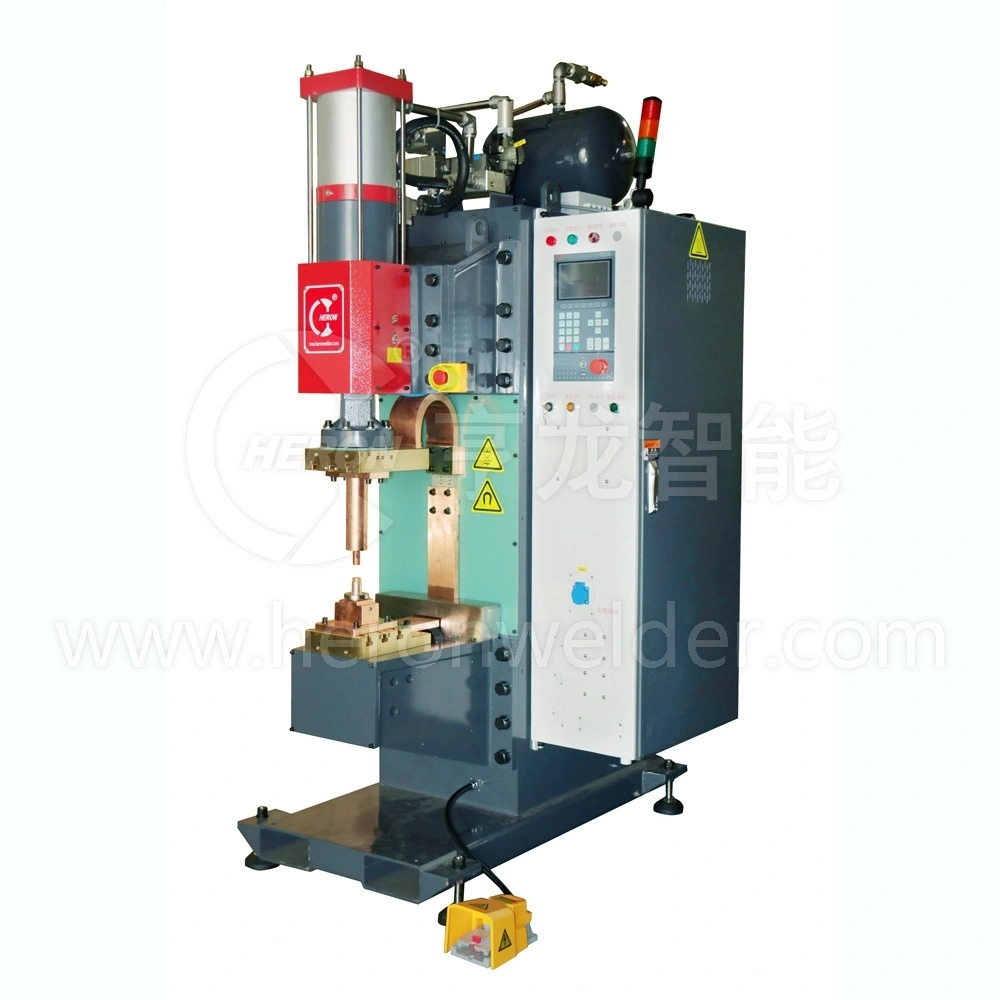
4. Industrial Equipment for Resistance Spot Welding Aluminium Sheets
Modern factories rely on specialized equipment to achieve reliable aluminium spot welding results.
Aluminium Resistance Spot Welding Machines
Industrial resistance welding machines provide:
-
High welding currents
-
Precise control systems
-
Consistent weld cycle timing
These machines are commonly integrated into automated production lines.
MFDC Spot Welding Technology
Medium Frequency Direct Current (MFDC) welding systems are widely used in modern manufacturing because they offer:
-
Stable welding current
-
Reduced energy consumption
-
Improved weld quality
MFDC spot welding is particularly effective for aluminium sheet metal welding where precise heat control is required.
Robotic Spot Welding Guns
Robotic welding guns allow manufacturers to automate spot welding operations.
Benefits include:
-
Consistent weld positioning
-
Increased production speed
-
Reduced labor requirements
These robotic systems are commonly used in automotive body manufacturing.
Automated Welding Production Lines
Automated welding systems combine welding machines, robots, sensors, and control software.
These systems allow factories to perform high-volume aluminium welding with consistent quality.
Industrial welding solution providers such as Heron Welder develop equipment designed to integrate with modern manufacturing automation.
5. Key Process Parameters for Aluminium Spot Welding
Successful aluminium resistance welding depends on precise control of several parameters.
Welding Current
Higher welding currents are required for aluminium compared to steel because of aluminium’s high thermal conductivity.
Typical industrial systems use short, high-intensity welding pulses.
Electrode Pressure
Electrode pressure ensures proper electrical contact between the sheets.
Insufficient pressure can result in:
-
Poor weld formation
-
Excessive resistance
-
Weak joints
Electrode Design
Electrodes are typically made from copper alloys to ensure:
-
High electrical conductivity
-
Heat resistance
-
Long service life
The electrode shape and surface condition influence weld quality.
Welding Cycle Time
The welding cycle includes:
-
Squeeze time
-
Weld time
-
Hold time
Optimizing these timing parameters helps maintain consistent weld nugget formation.
6. Applications of Resistance Spot Welding Aluminium Sheets in Manufacturing
Resistance spot welding aluminium sheets is widely used across several industries.
Automotive Manufacturing
Automakers use aluminium spot welding to assemble:
-
Vehicle body panels
-
Structural frames
-
Electric vehicle battery enclosures
The use of aluminium reduces vehicle weight and improves fuel efficiency.
HVAC Equipment Production
HVAC manufacturers use aluminium sheet welding to produce:
-
Heat exchanger housings
-
Compressor components
-
Structural brackets
Appliance Manufacturing
Household appliances such as washing machines and refrigerators use aluminium components joined through spot welding.
Electrical Equipment
Electrical enclosure manufacturers use aluminium welding to produce lightweight and corrosion-resistant equipment housings.
7. Advantages of Automated Aluminium Spot Welding in Production Lines
Automation has significantly improved aluminium welding operations.
Increased Production Efficiency
Automated welding systems can perform thousands of welds per hour, improving factory throughput.
Consistent Weld Quality
Robotic welding ensures that each weld is performed with the same parameters, reducing variability.
Reduced Labor Costs
Automation reduces the need for manual welding operations.
Data Monitoring
Modern welding systems include sensors and controllers that allow manufacturers to monitor weld performance in real time.

8. Choosing the Right Equipment for Aluminium Resistance Spot Welding
Selecting the correct welding equipment is critical for successful production.
Manufacturers should consider several factors:
Material Thickness
Different aluminium sheet thicknesses require different welding current levels and electrode designs.
Production Volume
High-volume production lines often require automated welding systems and robotic integration.
Welding Control Systems
Advanced controllers allow precise adjustment of:
-
Current levels
-
Welding time
-
Electrode pressure
Equipment Reliability
Industrial factories require equipment capable of operating continuously in demanding production environments.
Some manufacturers use specialized welding solutions developed by companies like Heron Welder, which focuses on resistance welding technology and automated welding systems for industrial manufacturing.
9. Future Trends in Aluminium Spot Welding Technology
Manufacturing technology continues to evolve.
Several trends are shaping the future of aluminium welding.
Smart Welding Systems
Modern welding machines include digital controllers and data monitoring systems that allow manufacturers to optimize production processes.
Industry 4.0 Integration
Factories are increasingly integrating welding equipment into smart manufacturing systems, enabling predictive maintenance and production analytics.
Lightweight Material Manufacturing
As industries continue to adopt lightweight materials such as aluminium alloys, the demand for advanced aluminium welding technology will continue to grow.
Frequently Asked Questions (FAQs)
1. Can aluminium sheets be resistance spot welded?
Yes, aluminium sheets can be joined using resistance spot welding, but the process requires higher welding current and precise control compared to steel. Aluminium has high thermal conductivity and an oxide layer that affects weld formation, so specialized spot welding machines and optimized electrode pressure are necessary to achieve strong weld joints.
2. Why is resistance spot welding aluminium more difficult than welding steel?
Aluminium is more difficult to weld because it has high heat conductivity, a lower melting point, and a surface oxide layer. These factors make it harder to concentrate heat at the weld point. Industrial welding systems solve this by using higher current, shorter weld cycles, and precise welding controls.
3. What equipment is required for resistance spot welding aluminium sheets?
Industrial aluminium spot welding typically requires:
-
Resistance spot welding machines
-
MFDC welding systems
-
Copper alloy electrodes
-
Robotic welding guns
-
Automated welding controllers
These systems help maintain consistent weld quality in high-volume production environments.
4. What is MFDC spot welding and why is it used for aluminium?
MFDC (Medium Frequency Direct Current) spot welding is a modern resistance welding technology that provides stable current output, improved energy efficiency, and better weld control. It is widely used for aluminium sheet welding because it allows precise heat input and consistent weld nugget formation.
5. What industries use resistance spot welding for aluminium sheets?
Several industries rely on aluminium resistance spot welding, including:
-
Automotive manufacturing
-
Electric vehicle battery production
-
HVAC equipment manufacturing
-
Appliance manufacturing
-
Electrical enclosure production
These industries use aluminium welding to produce lightweight and durable metal components.
6. What factors affect weld quality in aluminium spot welding?
The main factors that influence weld quality include:
-
Welding current level
-
Electrode pressure
-
Electrode material and design
-
Welding cycle time
-
Surface condition of aluminium sheets
Proper control of these parameters ensures consistent weld strength and joint reliability.
7. What thickness of aluminium sheets can be spot welded?
Resistance spot welding is commonly used for thin aluminium sheets ranging from 0.5 mm to around 3 mm in thickness. Thicker aluminium parts may require alternative welding processes or specialized high-power welding equipment.
8. What are the advantages of automated aluminium spot welding?
Automated aluminium welding systems provide several benefits:
-
Faster production speeds
-
Consistent weld quality
-
Reduced manual labor
-
Improved process monitoring
Modern factories often integrate robotic welding systems and automated production lines to improve manufacturing efficiency.
9. How does electrode design affect aluminium spot welding?
Electrode design plays an important role in aluminium welding. Copper alloy electrodes are commonly used because they provide high conductivity and heat resistance. Proper electrode shape and maintenance help ensure stable current flow and consistent weld nugget formation.
10. How can manufacturers improve aluminium spot welding efficiency?
Manufacturers can improve efficiency by:
-
Using MFDC resistance welding machines
-
Optimizing welding parameters
-
Implementing automated welding systems
-
Maintaining electrodes regularly
-
Integrating welding equipment into smart production lines
These practices help increase productivity, weld quality, and manufacturing reliability.
Summary
Resistance spot welding aluminium sheets has become an essential process in modern manufacturing. The technique allows factories to produce strong, consistent weld joints in lightweight aluminium structures.
Although aluminium presents several welding challenges, advancements in MFDC welding technology, automated welding equipment, and robotic welding systems have significantly improved the process.
Manufacturers across automotive, appliance, HVAC, and electrical industries now rely on advanced resistance welding solutions to maintain production efficiency.
With the continued development of smart welding systems and automated production lines, aluminium spot welding will remain a key technology supporting the future of industrial manufacturing.