Best brand for welding equipment is not just about a popular name – for industrial buyers, OEM manufacturers, engineers, and procurement teams, it means reliability, precision, production efficiency, and long-term value.
When choosing welding equipment for factories, automotive manufacturing, home appliance production, or metal fabrication, the right welding brand can significantly impact weld quality, downtime, energy consumption, and overall productivity.
Leading industrial welding equipment brands are known for delivering advanced resistance welding machines, MFDC welding systems, capacitor discharge welders, and automation-ready welding solutions that ensure consistency, durability, and high performance. Buyers should also consider factors like technology innovation, build quality, certifications, technical support, customization capability, and lifecycle cost when selecting the best welding equipment manufacturer.
The goal is not simply to choose a well-known welding machine brand, but to partner with a trusted welding technology supplier that understands complex production demands and supports long-term manufacturing success.
Best Brand for Welding Equipment: What Industrial Buyers Should Really Look For
In this guide we will explain Choosing the best brand for welding equipment is a critical decision for manufacturers, OEMs, engineers, and procurement teams.
The brand you select directly influences product quality, production efficiency, maintenance costs, operator safety, and long-term ROI. For industrial environments—especially automotive manufacturing, home appliance production, compressor manufacturing, electronics, hardware fabrication, and high-volume assembly—welding equipment must deliver consistent precision, durability, and performance under demanding operating conditions. Industrial buyers today are not just looking for a welding machine; they are evaluating technology capability, engineering competence, automation readiness, service reliability, and lifecycle value before finalizing a supplier. This blog provides a structured and practical guide to help you identify which welding equipment brands genuinely support industrial production goals and which criteria matter the most when evaluating suppliers.
Introduction: Why Choosing the Right Welding Equipment Brand Matters
In industrial production, welding equipment is a core manufacturing asset. A reliable welding brand ensures stable quality output, minimum weld defects, optimized cycle time, and reduced maintenance interruptions. Industrial welding equipment brands that continuously invest in technology development, advanced resistance welding systems, MFDC technology, capacitor discharge welding, projection welding, and automated welding solutions tend to deliver superior productivity and long-term operational stability.
Studies from manufacturing sectors show that equipment reliability can influence up to 35% of total production efficiency, while welding accuracy significantly affects product rejection rates and warranty risks. Choosing a low-grade welding brand may reduce upfront cost, but it often increases downtime, energy consumption, spare part frequency, and technical failure risk. Industrial buyers must focus on proven engineering capability, performance stability, and real-world manufacturing experience when selecting the best brand for welding equipment.
Understanding Industrial Welding Needs
Every industry has unique welding demands. Automotive suppliers require strong repeatability and cycle accuracy. Home appliance factories require neat, clean welding joints with minimal thermal distortion. Electronics require controlled parameters and precision. Heavy manufacturing requires stability and power consistency.
To select the right welding equipment brand, industrial buyers should evaluate:
-
Production scale: Low volume vs high volume continuous production
-
Welding technology type: Resistance welding, MFDC welding, CD welding, spot welding, projection welding, clinching, riveting
-
Material requirements: Steel, stainless steel, coated steel, aluminum alloys, or mixed materials
-
Automation needs: Manual systems, semi-automatic welding, robotic integration, or fully automated welding lines
-
Quality expectations: Weld repeatability, monitoring capability, and parameter control
-
Energy and lifecycle cost: Power efficiency, durability, spare part availability
Brands that understand industrial realities and offer application-based engineering support are far more valuable than “generic machine sellers.”
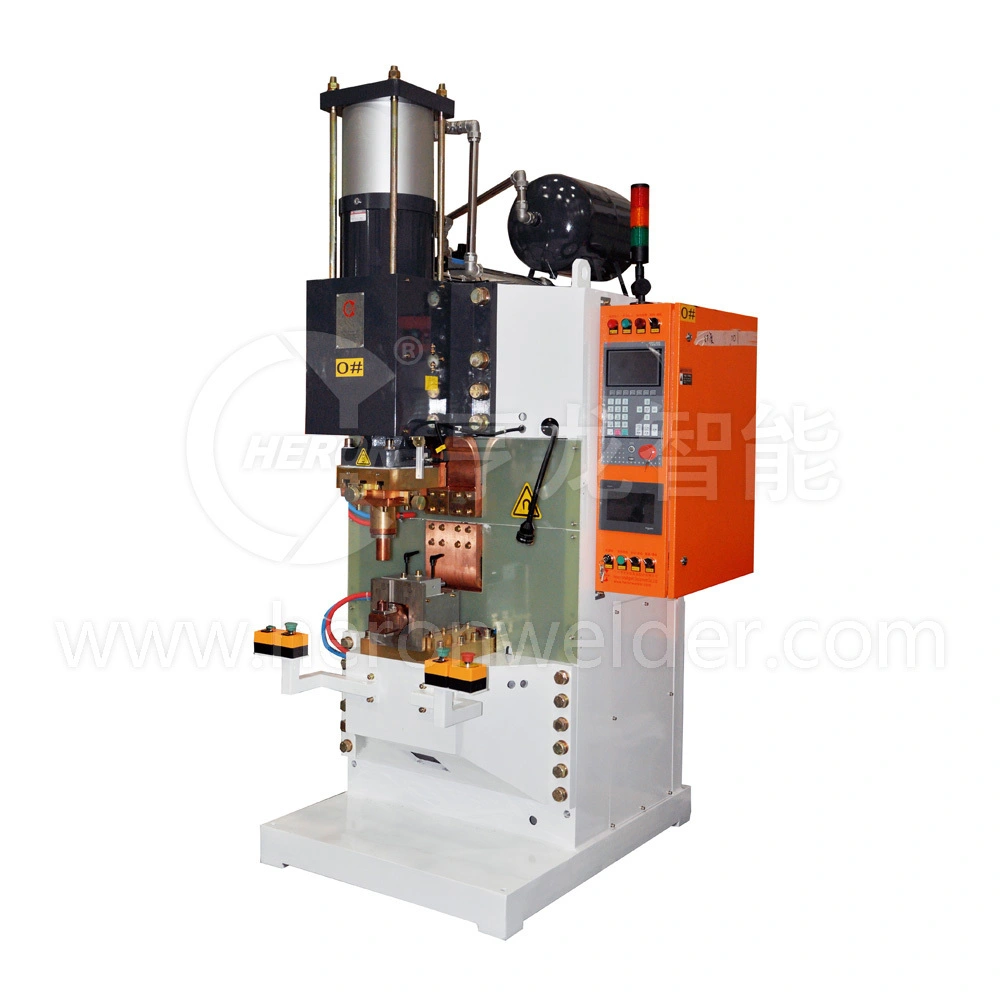
Key Factors Industrial Buyers Should Evaluate in Welding Equipment
Industrial buyers must go beyond branding and marketing claims. The right welding equipment manufacturer should demonstrate technical credibility, proven project experience, and measurable performance results.
Technology & Innovation Capability
Modern industrial manufacturing demands advanced welding technology. Key indicators of a strong welding brand include:
-
Expertise in resistance welding technology
-
MFDC (Medium Frequency Direct Current) welding capability for high precision and energy efficiency
-
Capacitor discharge welding solutions for delicate and high-strength materials
-
Projection welding and spot welding expertise
-
Automation-ready designs
-
Real-time parameter monitoring and control systems
Brands that invest in R&D and continuously improve equipment technology deliver more stable and efficient production.
Manufacturing Quality & Reliability
A strong industrial welding brand ensures:
-
Repeatability and weld consistency
-
Mechanical strength and structural durability
-
Stable operation in continuous production environments
-
Reduced equipment wear under heavy usage
Case studies from automotive and appliance industries consistently show that high-quality welding brands reduce defect rates and downtime, improving overall line efficiency.
Certifications & Industry Standards Compliance
Industrial buyers should verify:
-
ISO certifications
-
CE compliance
-
Safety and machine reliability standards
-
Industry-specific certifications where required
Certifications reflect disciplined engineering and production control.
After-Sales Service & Technical Support
Support capability is a defining factor for the best welding equipment brands:
-
Installation assistance
-
Technical guidance
-
Training support
-
Spare part availability
-
Remote or on-site diagnosis
Industrial plants cannot afford extended downtime. A dependable support team helps ensure production continuity.
Customization & Engineering Capability
Many factories require customized welding configurations rather than standard machines. Leading welding equipment brands provide:
-
Application engineering
-
Customized welding fixtures
-
Integrated production line solutions
-
Process optimization consulting
This capability is critical for complex manufacturing environments.
Cost vs Long-Term Value
Industrial buyers should calculate total ownership cost, not just purchase cost:
-
Machine lifespan
-
Maintenance frequency
-
Energy consumption
-
Spare part replacement cost
-
Downtime cost
The best brand for welding equipment delivers sustainable operational value, not just an attractive initial price.
Types of Welding Equipment Industrial Buyers Commonly Consider
Industrial production uses multiple welding technologies depending on material and application needs. Some of the most important include:
-
Resistance Welding Machines — widely used for automotive and appliance manufacturing
-
MFDC Welders — ensure precision, energy efficiency, and heat control
-
Capacitor Discharge Welders — ideal for sensitive and specialty applications
-
Spot and Projection Welders — essential for structural joints and component assembly
-
Clinching Systems — mechanical joining without heat, suitable for many metal sheet applications
-
FSPR Riveting Systems — effective for joining dissimilar materials and aluminum
-
Automated Welding Production Lines — integration with robotics and smart manufacturing
Industrial buyers benefit most from brands that offer a wide solution range with engineering expertise behind each technology.
Comparing Top Welding Equipment Brands: What Sets Leaders Apart?
Top industrial welding brands stand out for a few reasons:
-
Proven industrial success history
-
Engineering and manufacturing capability
-
Wide product range covering various welding needs
-
Strong service infrastructure
-
Successful deployment in demanding industries such as automotive, HVAC, appliance manufacturing, and heavy industry
Brands that are deeply integrated into manufacturing supply chains demonstrate higher reliability compared to brands focused purely on retail sales.
Why a Specialized Industrial Welding Manufacturer Is Better Than Generic Brands
Generic machine sellers compete on price. Specialized industrial welding manufacturers compete on:
-
Technology engineering
-
Performance stability
-
Process knowledge
-
Customization skills
-
Industrial application experience
For real-world factories, specialized brands ensure:
-
Lower defect probability
-
More stable year-round production
-
Higher equipment lifetime
-
More predictable maintenance cycles
This directly impacts production cost and profitability.
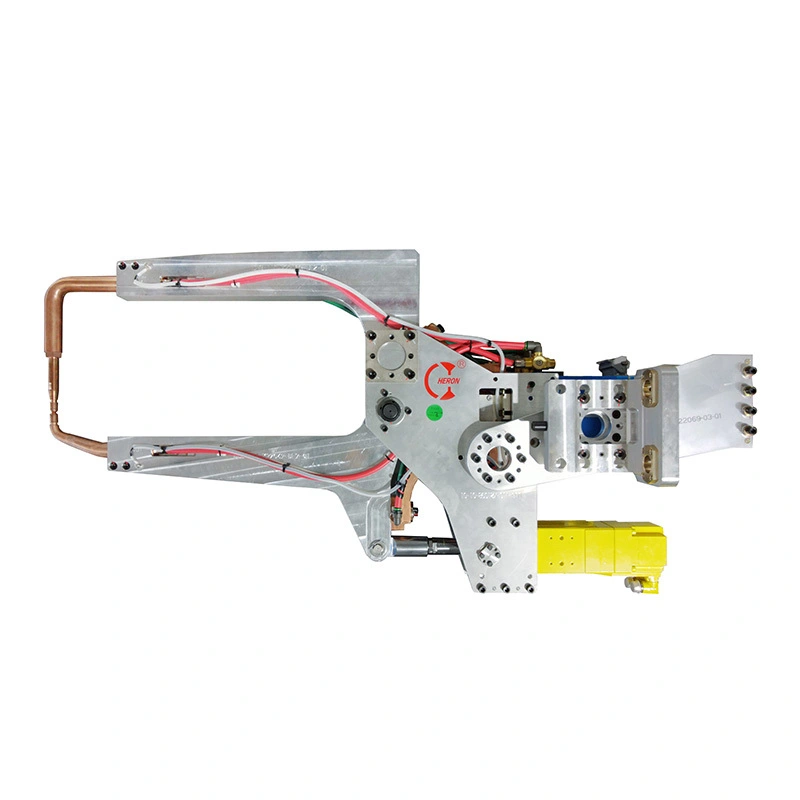
How the Right Welding Brand Impacts Productivity & Quality
The right welding brand supports:
-
Reduced downtime due to better build engineering
-
Higher product quality through precise weld control
-
Energy efficiency, especially with MFDC systems
-
Improved operator efficiency
-
Better process traceability when smart control systems are available
In real industrial environments, factories using advanced welding systems often report measurable improvements in uptime and weld consistency.
Final Buying Checklist for Industrial Procurement Teams
Before selecting the best brand for welding equipment, procurement teams should verify:
✔ Proven industrial experience
✔ Strong engineering capability
✔ MFDC and resistance welding expertise
✔ Availability of automation solutions
✔ Certifications and compliance
✔ Reliable technical support
✔ Customization capability
✔ Real case study performance history
✔ Long-term cost efficiency
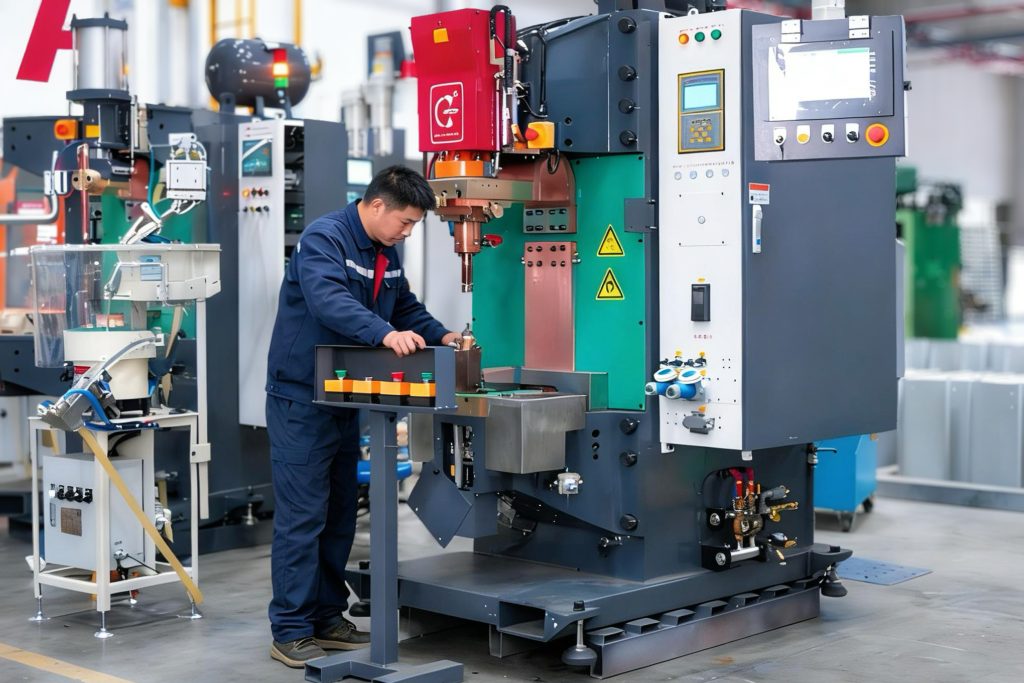
Brands like Heron Welder are built around industrial reliability, resistance welding expertise, MFDC welding technology, clinching, FSPR riveting, and intelligent welding automation systems, making them aligned with real manufacturing demands rather than general-purpose usage.
FAQS
1. What defines the best brand for welding equipment in industrial manufacturing?
The best brand for welding equipment is one that delivers reliable performance, advanced welding technology, engineering expertise, consistent weld quality, strong after-sales support, and proven success in real manufacturing environments. Industrial buyers should look for brands with resistance welding capability, MFDC systems, automation readiness, and compliance with international standards.
2. Why is choosing the right welding brand important for factories and OEMs?
Choosing the right welding brand impacts weld strength, production stability, downtime rates, energy efficiency, and total cost of ownership. A strong industrial welding brand helps improve productivity, reduces maintenance interruptions, and supports stable long-term manufacturing operations.
3. What industries benefit most from high-quality industrial welding brands?
Automotive manufacturing, EV battery production, home appliance factories, HVAC compressor manufacturing, electronics assembly, hardware fabrication, and heavy industrial production benefit significantly from reliable spot welding equipment brands with resistance welding, MFDC, and automation expertise.
4. What welding technologies should industrial buyers consider when selecting a brand?
Industrial buyers should look for brands offering resistance welding machines, MFDC welders, capacitor discharge welding systems, spot welding, projection welding, clinching systems, FSPR riveting, and automated welding production solutions. These technologies support modern manufacturing efficiency and precision.
5. How does welding equipment quality affect production output?
High-quality welding equipment ensures better weld consistency, reduced defect rates, stable production cycles, lower downtime, improved operator performance, and safer workplace conditions. Studies show machine reliability can influence over 30% of production efficiency in high-volume environments.
6. What certifications should the best welding equipment brands have?
Industrial welding brands should comply with ISO standards, CE certification, safety compliance, and relevant industry quality standards. Certifications reflect strong manufacturing discipline, reliability, and product trustworthiness.
7. Is after-sales support important when choosing a welding equipment brand?
Yes. After-sales service and technical support are crucial. Industrial buyers should ensure the welding supplier offers installation guidance, operator training, troubleshooting support, spare part availability, and quick response maintenance to minimize downtime.
8. Should buyers prioritize price or long-term value when choosing welding equipment?
Industrial buyers should prioritize long-term value, not just initial cost. The best welding equipment brands provide durable machines, lower maintenance requirements, energy efficiency, stable performance, and long operational lifespan, reducing overall lifecycle costs.
9. Why are specialized industrial welding manufacturers better than general machine sellers?
Specialized industrial welding manufacturers have deeper engineering expertise, industrial project experience, advanced technology capability, customization skills, and proven reliability under continuous production. This ensures better quality assurance and stable factory performance.
10. How can a brand like Heron Welder support industrial welding needs?
Heron Welder offers resistance welding machines, MFDC systems, capacitor discharge welding, spot and projection welding equipment, clinching and FSPR riveting systems, and automated welding production solutions. With industrial engineering expertise and support capability, it is aligned with real manufacturing requirements and long-term production stability.
Conclusion: Choosing the Best Welding Equipment Brand for Your Factory
Selecting the best brand for welding equipment is a strategic industrial decision that influences efficiency, quality, reliability, and long-term production cost. Industrial buyers should evaluate welding brands using measurable criteria such as technology strength, performance reliability, engineering capability, customization support, compliance standards, and lifecycle value. A brand with proven resistance welding expertise, MFDC solutions, strong after-sales support, and real industrial project success delivers tangible manufacturing advantages. The right partner does not just supply a welding machine—they support production stability, quality control, and continuous improvement across the manufacturing process.