In today’s fast-moving world, companies are always looking for ways to grow. One of the most powerful tools helping them do that is the resistance welding machine. While it may not sound exciting, this machine is changing the game for many manufacturers around the globe.
From car factories in Germany to electronics plants in Japan, resistance welding is making products stronger, cheaper, and faster to build. In this blog, we’ll explore how resistance welding machines are helping businesses expand into new markets and stay ahead of the competition.
What Is Resistance Welding?
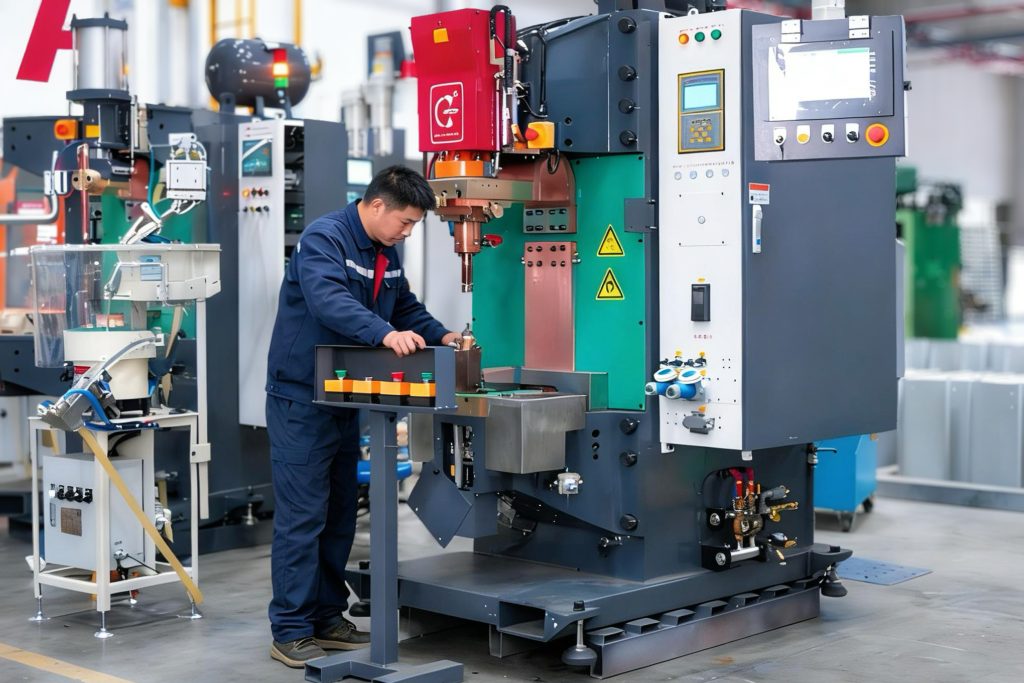
Resistance welding is a process where two or more metal pieces are joined using pressure and heat from electrical current. No flame, no filler, just electricity and force.
It works fast, is energy-efficient, and doesn’t need extra materials like glue or gas. This makes it a smart choice for mass production.
There are different types of resistance welding, including spot welding, seam welding, and projection welding. Each type has its own use, but all are known for being fast and reliable.
Why Resistance Welding Is So Popular?
One big reason why resistance welding machines are gaining popularity is that they are very efficient. They can weld thousands of parts in a short amount of time. This is great for factories that need to make large numbers of products.
Also, the process is clean. There are no sparks or fumes, so it’s safer for workers. It’s also more eco-friendly, which is important today as companies try to become more sustainable.
Because of these benefits, more and more industries are choosing resistance welding machines over traditional welding methods.
Helping Companies Grow Across Borders
Many manufacturers want to expand into global markets, but doing that isn’t easy. They need to make high-quality products, reduce costs, and meet strict rules in different countries. Resistance welding helps with all of that.
For example, car companies in Asia use resistance welding to meet the safety standards in Europe. Electronics companies in the U.S. use it to build products fast and send them to markets in South America. The consistency and speed of these machines help businesses succeed no matter where they are.
Strong and Reliable Joints Every Time
One hidden strength of resistance welding is how consistent it is. The welds are always the same — strong and clean. This is very important when you are making things like cars, airplanes, or even medical devices.
In global markets, product quality matters a lot. If your products break or fail, your brand reputation suffers. Resistance welding gives companies confidence that every product they make is strong and dependable.
This trust in quality helps businesses win new contracts and expand their customer base.
Cost-Effective for Large Production
Setting up a resistance welding machine may cost more at first. But in the long run, it saves money. Why? Because it works quickly, uses less energy, and needs little maintenance.
It also reduces waste. Since no filler materials or extra parts are needed, companies don’t have to spend as much on supplies. The total cost per unit goes down, which is great when you’re producing at a large scale.
This cost-saving helps companies offer better prices, compete globally, and grow faster.
Supports Global Standards and Certifications
To sell products in other countries, companies often need to meet international safety and quality standards. Resistance welding helps with that. It creates joints that pass tests like ISO, CE, or UL certifications.
When a company uses resistance welding, it’s easier to meet regulations across different regions, which makes entering new markets smoother.
This is one of the key reasons resistance welding machines are used in the automotive, aerospace, and electronics industries worldwide.
Flexible for Many Industries
Resistance welding machines are not just for big car companies. They’re also used in many other industries. Here are a few examples:
In the electronics industry, resistance spot welding is used to make battery packs and circuit boards.
In appliance manufacturing, machines weld metal frames for ovens, fridges, and washing machines.
In medical device manufacturing, they help make surgical tools and small implants with high precision.
This flexibility allows companies from all sectors to benefit from resistance welding, no matter their size or product.
Easy to Automate and Scale
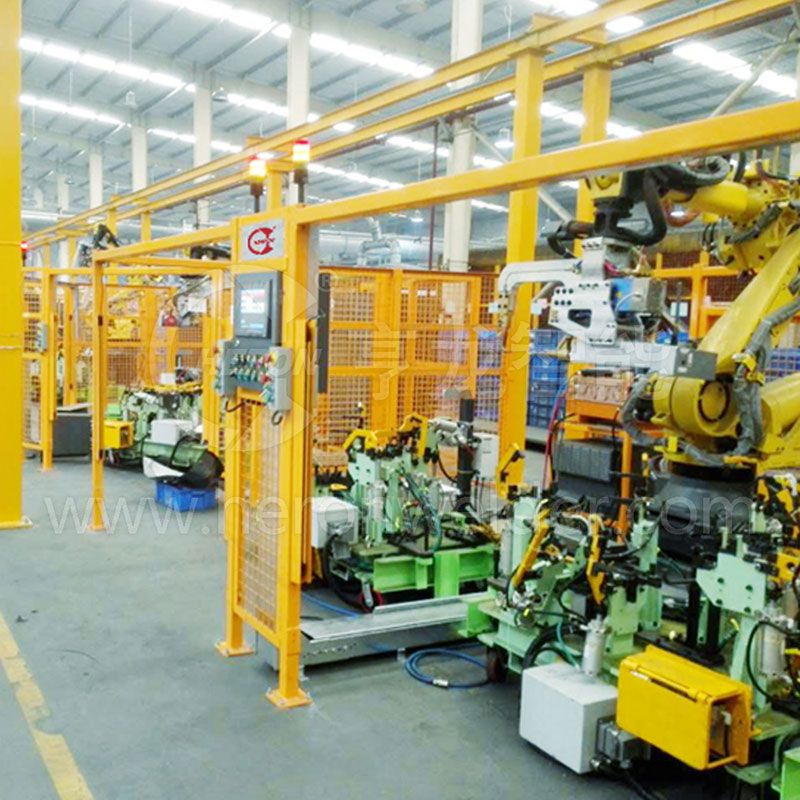
As factories around the world move toward automation and smart manufacturing, resistance welding is the perfect fit. Many machines can be used with robots, CNC machines, and Industry 4.0 systems.
This means companies can automate their welding lines, reduce human error, and increase output. With automation, it’s also easier to set up the same process in different countries and standardize operations globally.
As companies grow into new regions, resistance welding machines help them scale up smoothly without starting from scratch.
Real-Life Example: Automotive Industry
One of the best examples of global expansion through resistance welding is the automotive industry. Car makers like Toyota, Ford, and BMW use resistance welding to build car bodies with high precision and safety.
They use thousands of spot welds in each car, and the process is often fully automated with robots. This setup allows them to build the same car model in different countries — using the same machines, same process, and same quality.
It’s a clear example of how resistance welding machines support global operations.
Real-Life Example: Battery Manufacturing
As the world moves toward electric vehicles and renewable energy, battery production is booming. Resistance welding is used to join battery cells and connectors.
This process needs to be clean, accurate, and repeatable, exactly what resistance welding offers. Battery manufacturers in China, Germany, and the U.S. rely on this technology to produce high-quality products and sell them worldwide.
Environmentally Friendly Growth
Many countries now require factories to follow green manufacturing rules. Resistance welding supports this by using less energy, producing no fumes, and generating little waste.
For companies trying to go green while expanding, resistance welding is a smart investment. It shows customers and governments that the business cares about the environment, which is a big plus in today’s market.
Training and Support Around the World
Another reason resistance welding helps global expansion is that it’s easy to train and support. Many machine brands offer training programs, remote support, and spare parts in multiple countries.
This means companies don’t need to worry if their factory is in India, Mexico, or Poland — they can still get the help they need. Global support gives businesses confidence as they open new facilities or work with partners in other countries.
Resistance welding machines may look like just another factory tool, but they are doing much more. They’re helping businesses:
-
Build strong, high-quality products
-
Reduce production costs
-
Meet global standards
-
Expand into new markets
-
Work in eco-friendly ways
-
Automate and scale across countries