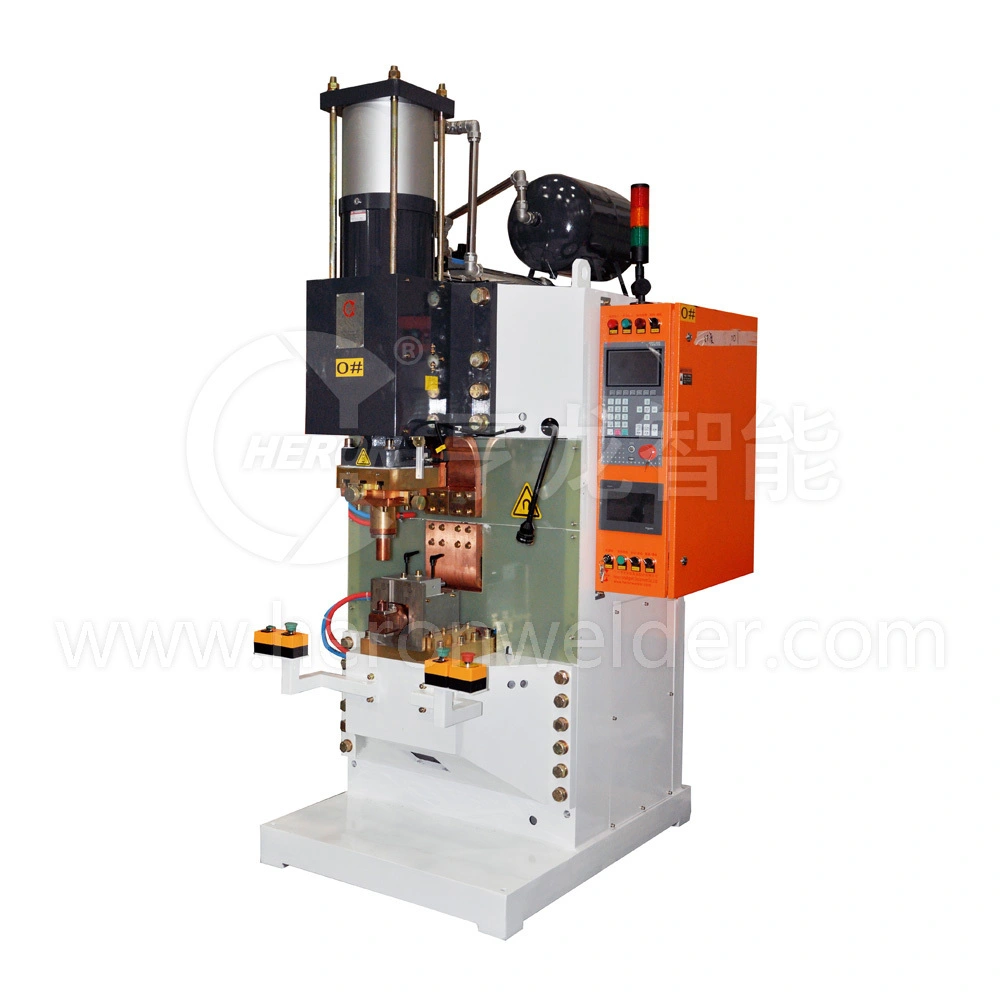
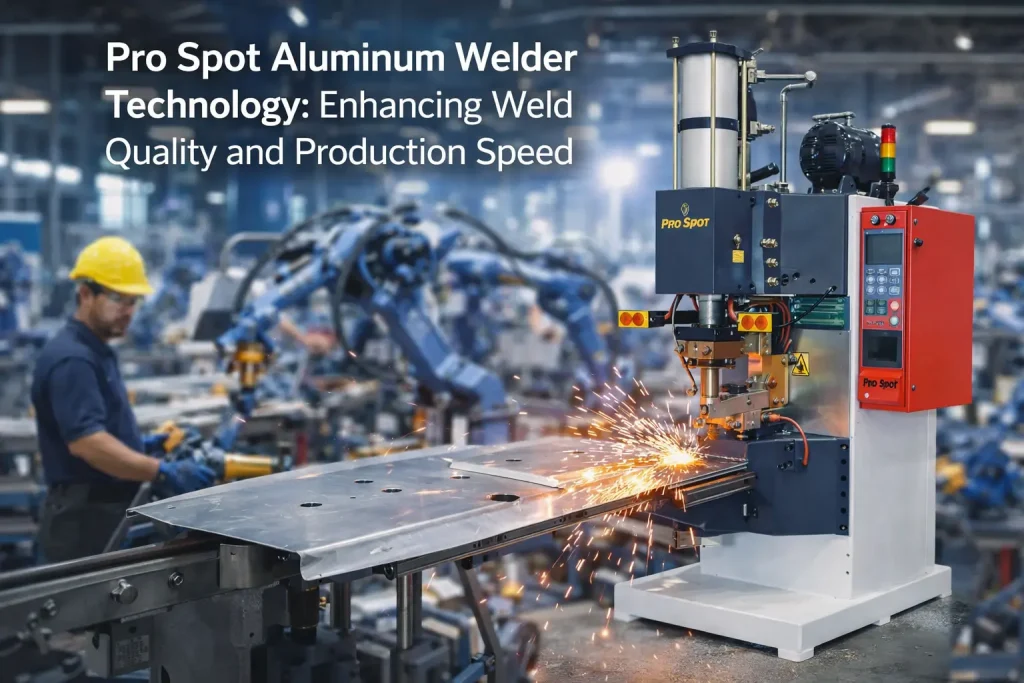
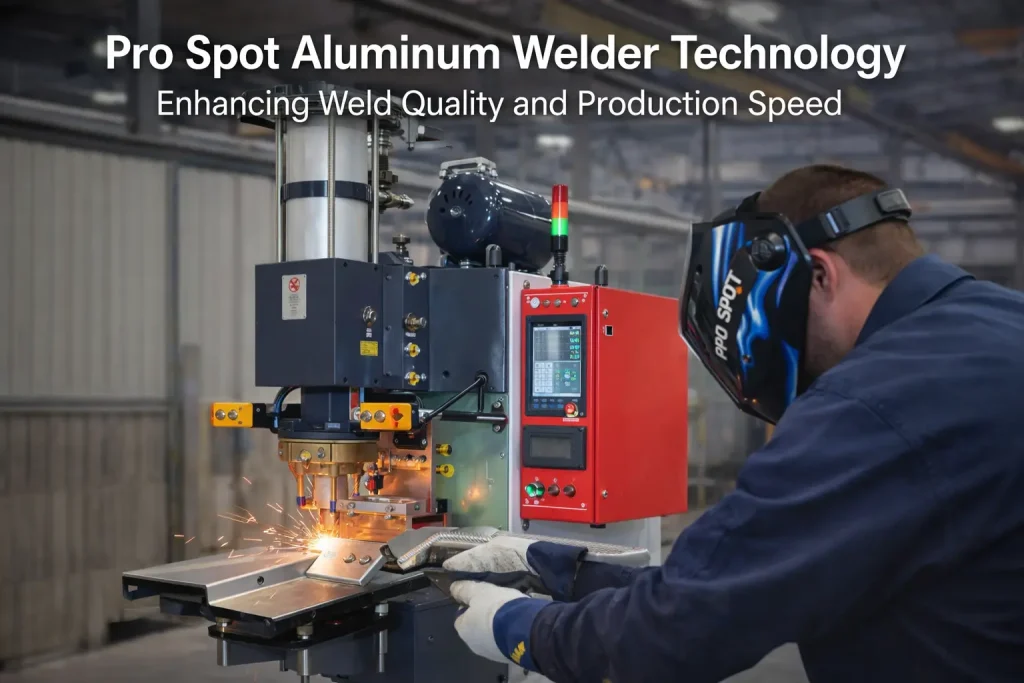
Pro Spot Aluminum Welder Technology: Enhancing Weld Quality and Production Speed
Aluminum spot welding has become a cornerstone of modern industrial manufacturing, particularly in automotive, appliance, and electrical component production. The increasing demand for lightweight, high-strength aluminum assemblies requires welding solutions that combine precision, consistency, and speed.
Pro spot aluminum welders have emerged as the preferred choice for industrial applications, offering advanced technology that enhances weld quality while improving production efficiency. This article explores the technology behind pro spot aluminum welders, their benefits, and real-world applications.
1. Introduction: The Importance of Aluminum Spot Welding in Modern Manufacturing
Aluminum has a high thermal conductivity and low melting point, which makes spot welding aluminum more challenging than welding steel. Its oxide layer further complicates the process, requiring precise control of current, pressure, and timing. Modern production lines demand:
-
Consistent weld quality
-
Minimal defects
-
High-speed operations to maintain throughput
These challenges have led manufacturers to adopt pro spot aluminum welders, which use advanced MFDC (Medium Frequency Direct Current) technology and precision electrode design to achieve reliable and repeatable results.
2. What is a Pro Spot Aluminum Welder?
A pro spot aluminum welder is an advanced resistance welding machine specifically designed to weld aluminum sheets and components efficiently. Unlike standard spot welders, pro-grade machines offer:
-
Precise current control to handle aluminum’s low resistivity
-
Integrated monitoring systems for quality assurance
-
Compatibility with automation systems for factory production lines
These welders are suitable for industrial-scale applications, from automotive body assembly to HVAC components and electrical enclosures.
Key Features Include:
-
Adjustable welding parameters for thickness variation
-
MFDC inverter technology for stable current delivery
-
Advanced cooling systems to reduce electrode wear
-
Automation-ready for robotic or conveyor-based production lines
3. Core Technology Behind Pro Spot Aluminum Welders
MFDC Spot Welding Technology
MFDC (Medium Frequency Direct Current) is central to modern aluminum spot welding. Unlike traditional AC welders, MFDC welders deliver:
-
Stable and concentrated current, reducing spatter and defects
-
Shorter cycle times, improving production speed
-
Precise energy control, essential for thin aluminum sheets
This technology has been adopted widely in the automotive industry for assembling lightweight aluminum panels.
Resistance Welding Principles
Pro spot welders apply high current through electrodes to the aluminum sheets, creating localized heat at the contact point. The process involves:
-
Proper electrode force
-
Controlled weld time
-
Accurate current application
This ensures strong weld nuggets without damaging surrounding material.
Precision Welding Guns and Electrode Design
Electrode geometry and material are critical for aluminum welding. Pro spot welders often feature:
-
Copper-chrome electrodes for optimal conductivity
-
Water-cooled electrode holders to prevent overheating
-
Custom electrode shapes for unique components
Case studies from automotive lines show that optimized electrode design reduces electrode wear by 30–40%, extending maintenance intervals.
4. Automation and Production Line Integration
Modern factories prioritize automation to increase efficiency and consistency. Pro spot aluminum welders integrate seamlessly into automated production lines through:
-
Robotic spot welding systems
-
Conveyor-based stations for high-volume operations
-
Programmable welding schedules to reduce operator errors
For example, an automotive supplier in Germany integrated pro spot aluminum welders into a robotic assembly line, achieving a 25% increase in production speed while maintaining a consistent weld quality standard above 95%.
5. Enhancing Weld Quality with Pro Spot Welders
Aluminum welding quality depends on several factors, including material thickness, current precision, and electrode condition. Pro spot welders enhance quality by:
-
Real-time weld monitoring: Sensors detect current deviations, ensuring consistent nugget formation
-
Adaptive control systems: Adjust parameters based on material thickness and surface conditions
-
Reduced defects: Minimal porosity, cracks, or incomplete fusion
Case Study: A manufacturer producing aluminum HVAC components reduced rework by 40% after switching from traditional AC welders to MFDC-based pro spot welders, thanks to consistent energy delivery and better monitoring.
6. Boosting Production Speed and Efficiency
Pro spot aluminum welders improve factory throughput through:
-
Shorter welding cycles: MFDC technology reduces weld time from 0.5–1.5 seconds to under 0.3 seconds per spot
-
Energy efficiency: Targeted current reduces power consumption by up to 20%
-
Lower downtime: Water-cooled electrodes and automated systems require less maintenance
A case study in an automotive stamping facility showed that integrating pro spot welders into the assembly line increased production output by 30% without additional labor costs.
7. Applications of Pro Spot Aluminum Welders in Industry
Pro spot aluminum welders are versatile and used across multiple sectors:
-
Automotive Manufacturing
-
Aluminum body panels, chassis components, battery enclosures in EVs
-
Benefits: Lightweight structures, strong weld joints, faster assembly
-
-
Home Appliances and Electrical Components
-
Air conditioner housings, heat exchangers, electrical enclosures
-
Benefits: Precise welds, reduced material distortion
-
-
Aluminum Sheet Metal Fabrication
-
HVAC ducts, industrial panels, structural assemblies
-
Benefits: Consistent welding across thin sheets, reduced scrap
-
8. Choosing the Right Pro Spot Aluminum Welder for Your Factory
Selecting the ideal pro spot aluminum welder depends on:
-
Material thickness and type: MFDC welders are suitable for 0.5mm–6mm aluminum sheets
-
Production volume: Robotic or conveyor integration for high-volume operations
-
Quality monitoring needs: Machines with adaptive control for critical applications
-
ROI and cost-effectiveness: Consider energy savings, maintenance, and throughput improvements
Tip: Evaluate electrode life, cooling system efficiency, and automation compatibility before purchase to maximize production ROI.
FAQS
Summary : Why Pro Spot Aluminum Welders Are Essential for Modern Production
Pro spot aluminum welders are no longer optional in industrial manufacturing, they are a necessity. By combining MFDC technology, automation readiness, and advanced monitoring, these machines deliver:
-
Enhanced weld quality
-
Faster production speeds
-
Lower operational costs
Industrial applications from automotive to HVAC fabrication demonstrate measurable benefits, including reduced defects, increased throughput, and improved consistency.
For manufacturers looking to upgrade their welding lines, investing in a pro spot aluminum welder ensures both efficiency and precision, meeting the modern demands of high-volume, quality-critical production.