Aluminium looks straightforward to weld — until it isn’t. Manufacturers switching from steel to aluminium for lighter, more efficient products often discover the same thing: welds that looked fine on the surface crack, crumble, or fail testing weeks later. If you’ve dealt with inconsistent results from welding of aluminium on your production line, you already know the frustration isn’t the material itself — it’s the process being used to join it.
The welding of aluminium requires a fundamentally different approach than welding steel, and understanding why failures happen is the first step to preventing them. This guide breaks down the real causes of aluminium weld failure and how the resistance welding technology Heron Welder has developed specifically for hard-to-weld materials addresses each one directly.
Why Aluminium Behaves So Differently From Steel When Welded
Welding of aluminium isn’t difficult because it’s a “weaker” metal — it’s difficult because its physical properties work against traditional welding assumptions. It conducts heat roughly three to four times faster than steel, forms a protective oxide layer almost instantly on contact with air, and expands and contracts more aggressively under heat. Any welding process — and any welding equipment — built around steel’s behavior will struggle when applied to aluminium without adjustment.
This is exactly where most failures in the welding of aluminium originate: not from operator error, but from using equipment or settings that were never designed for aluminium’s specific demands.
The Most Common Reasons Aluminium Welds Fail
Here are a few reasons that can cause the welding of aluminium to fail. CLICK HERE for more details.
The Oxide Layer Problem
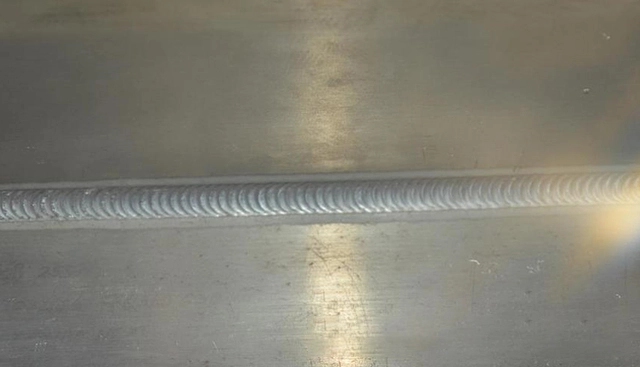
Aluminium forms a thin aluminium oxide layer within seconds of exposure to air. This layer has a much higher melting point than the aluminium beneath it, which means standard welding parameters can heat the base metal without ever properly breaking through the oxide. The result is a weld that looks complete on the surface but has poor fusion underneath — one of the most common defects in aluminium welding.
High Thermal and Electrical Conductivity
Because aluminium dissipates heat so quickly, energy escapes from the weld zone before proper fusion occurs — unless the welding equipment can deliver higher, more precisely controlled current in a very short window. Equipment without fast current ramp-up simply can’t keep pace with aluminium’s conductivity, which is one of the main reasons welding of aluminium demands different machine settings than welding steel.
Porosity and Hydrogen Contamination
Aluminium is prone to trapping hydrogen during welding, which creates porosity — tiny gas pockets inside the weld nugget. Even minor surface contamination, moisture, or inconsistent electrode pressure can introduce enough hydrogen to weaken the joint from the inside. Porosity remains one of the most persistent quality issues in aluminium welding, particularly in high-volume production.
Distortion From Rapid Heat Loss
Aluminium’s high thermal conductivity also means heat spreads outward faster than in steel, which can cause warping in thinner sheet applications — a major concern in automotive body panels and appliance housings where dimensional accuracy matters.
Electrode Sticking and Premature Wear
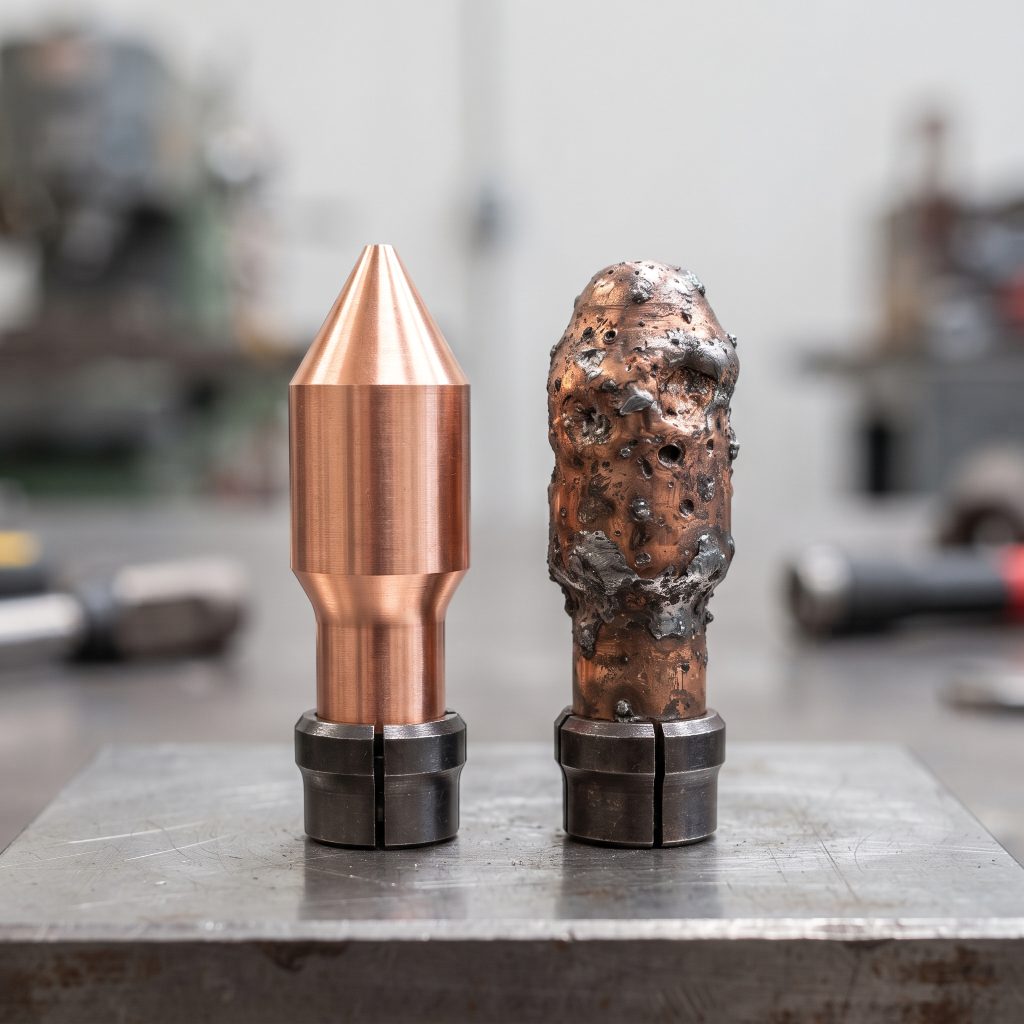
Aluminium alloys, particularly those with higher silicon or magnesium content, tend to stick to standard copper electrodes and accelerate electrode wear. Once electrode tips degrade or deform, weld consistency drops with every subsequent cycle — another reason aluminium welding is often treated as a specialized process rather than a steel welding shortcut.
How Modern Resistance Welding Technology Solves These Problems
None of these challenges are unsolvable — they’re solvable with the right equipment and the right process control. This is the area where Heron Welder has focused decades of development, since aluminium alloys are one of the “hard-to-weld” materials the company has built its resistance welding technology around.
Precise Current Control With MFDC Welding
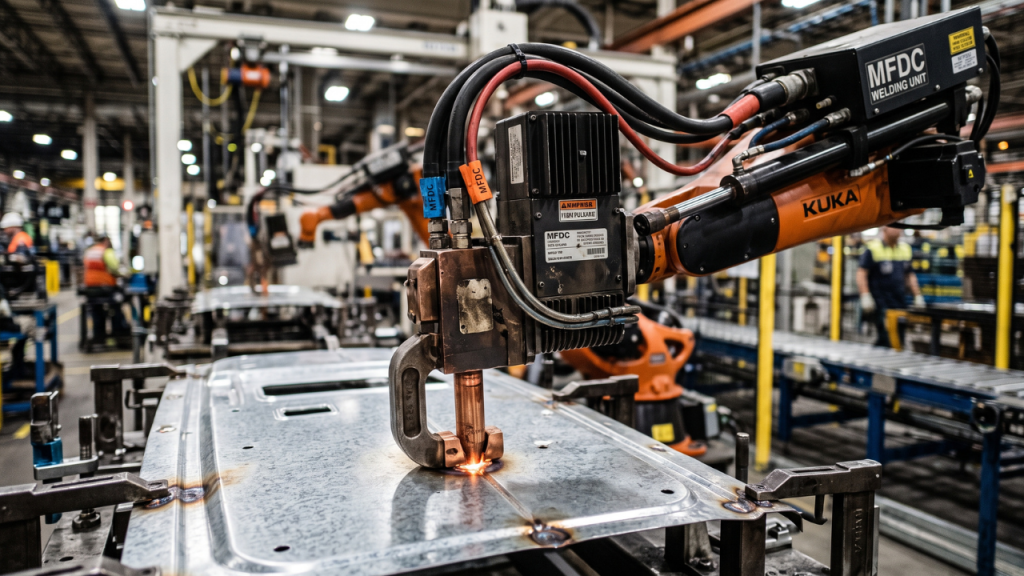
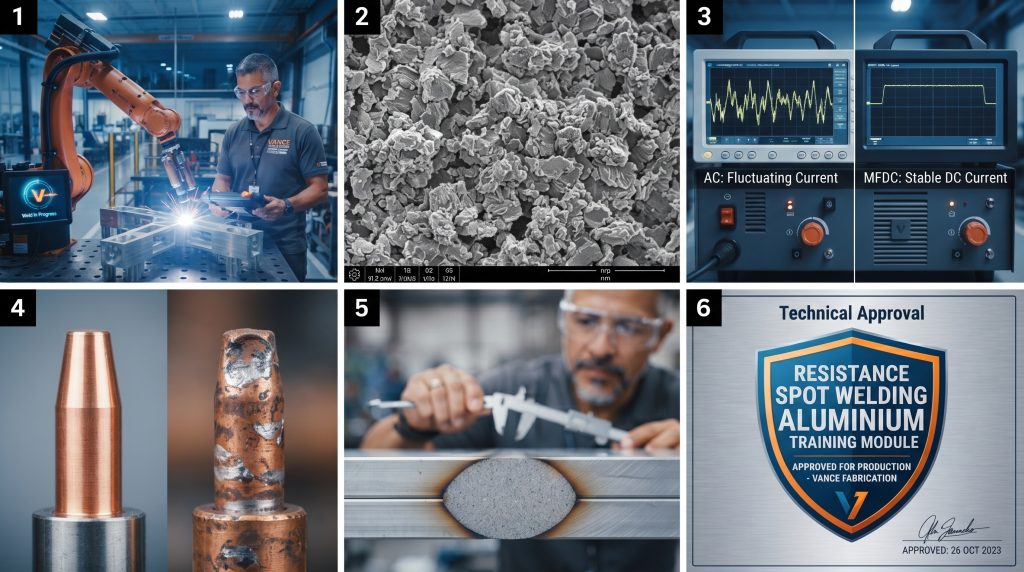
Medium Frequency Direct Current (MFDC) welding technology is particularly effective for the welding of aluminium because it delivers a stable, controllable current waveform with a very fast current rise — addressing aluminium’s conductivity problem directly. Heron’s MFDC welders are engineered to reach full welding current in as little as a few milliseconds, which helps concentrate heat in the weld zone before it dissipates, reducing the risk of incomplete fusion and porosity.
Electrode Design and Cooling Systems
Because electrode sticking and wear are common pain points with aluminium, electrode material selection, geometry, and cooling all matter more than they do with steel. Well-designed water-cooled electrode systems extend tool life and maintain consistent contact pressure across thousands of weld cycles — a detail that separates equipment built for aluminium from equipment merely adapted for it.
Real-Time Monitoring for Consistent Quality
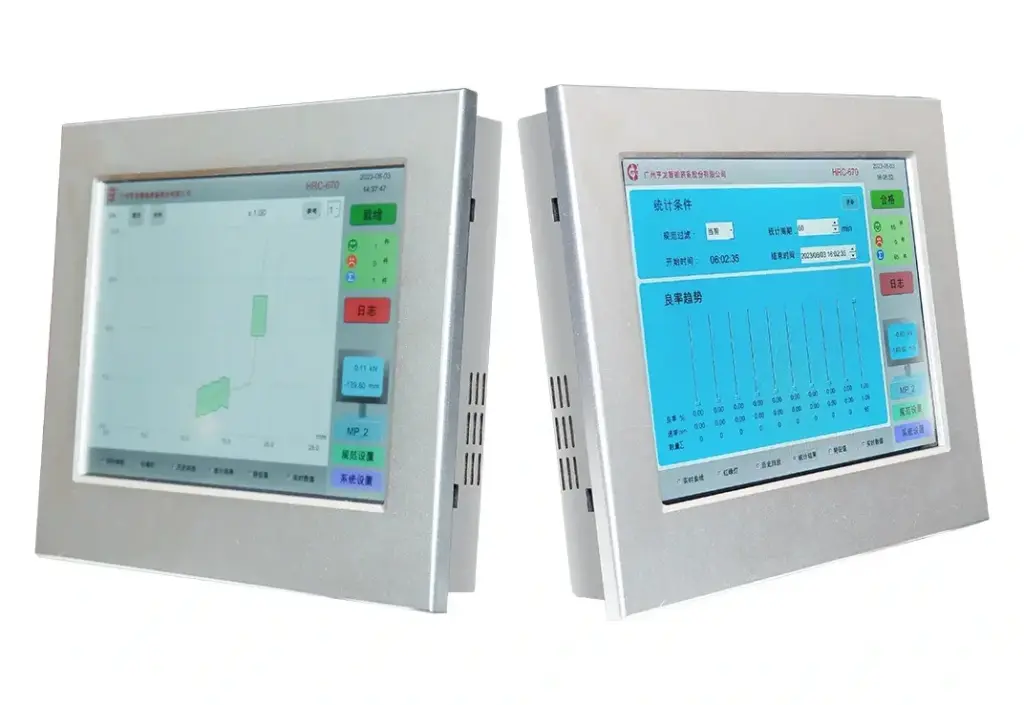
Welding of aluminium leaves less room for error than steel welding, which is why real-time monitoring — tracking current, resistance, and electrode displacement during each weld — has become essential rather than optional for production lines handling aluminium components. It allows manufacturers to catch inconsistent welds immediately rather than discovering failures during downstream testing or, worse, in the field.
Choosing the Right Aluminium Welding Equipment for Your Production Line
If your team is regularly troubleshooting cracked, porous, or inconsistent welds from welding aluminium components, the underlying issue is often the equipment’s ability to deliver fast, controlled current and stable electrode pressure — not the skill of the operators running it. Before adjusting weld schedules further or investing in additional testing, it’s worth evaluating whether your current welding machines were actually designed with aluminium’s properties in mind.
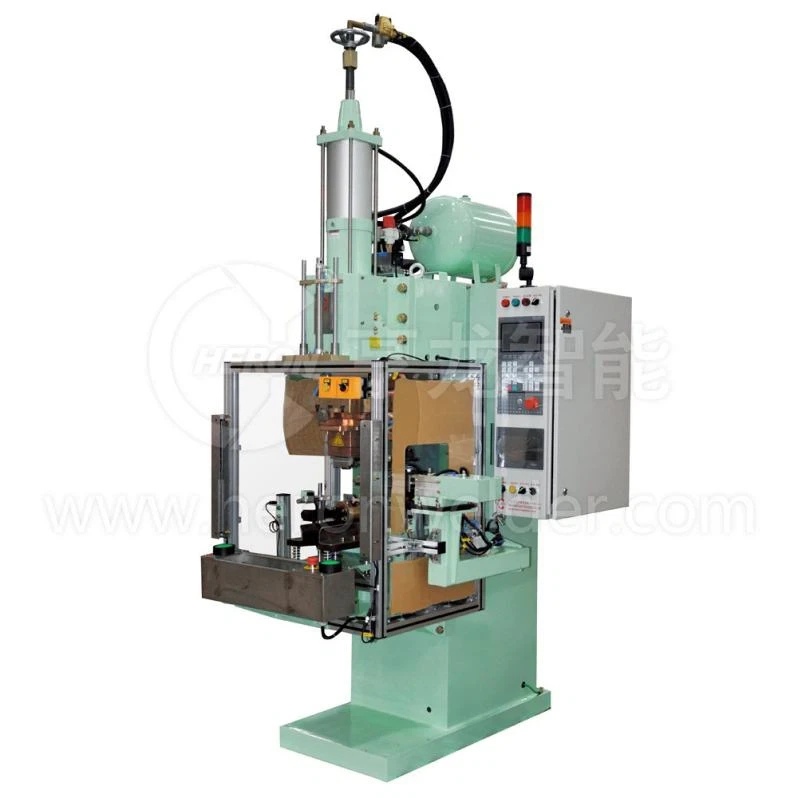
Heron Welder has spent more than three decades developing resistance welding, clinching, and riveting equipment for exactly this kind of hard-to-weld material, alongside high-strength and hot-stamped steel. That focus has shaped a product range — including MFDC spot and projection welders — built to handle aluminium’s fast heat loss and oxide resistance rather than simply tolerate it.
If failures in the welding of aluminium are becoming a recurring cost on your production line, it may be worth a conversation with Heron’s welding engineers about your specific application. A short discussion about your materials, part geometry, and production volume is often enough to identify where the current process is losing consistency.
Industries That Depend on Reliable Aluminium Welding
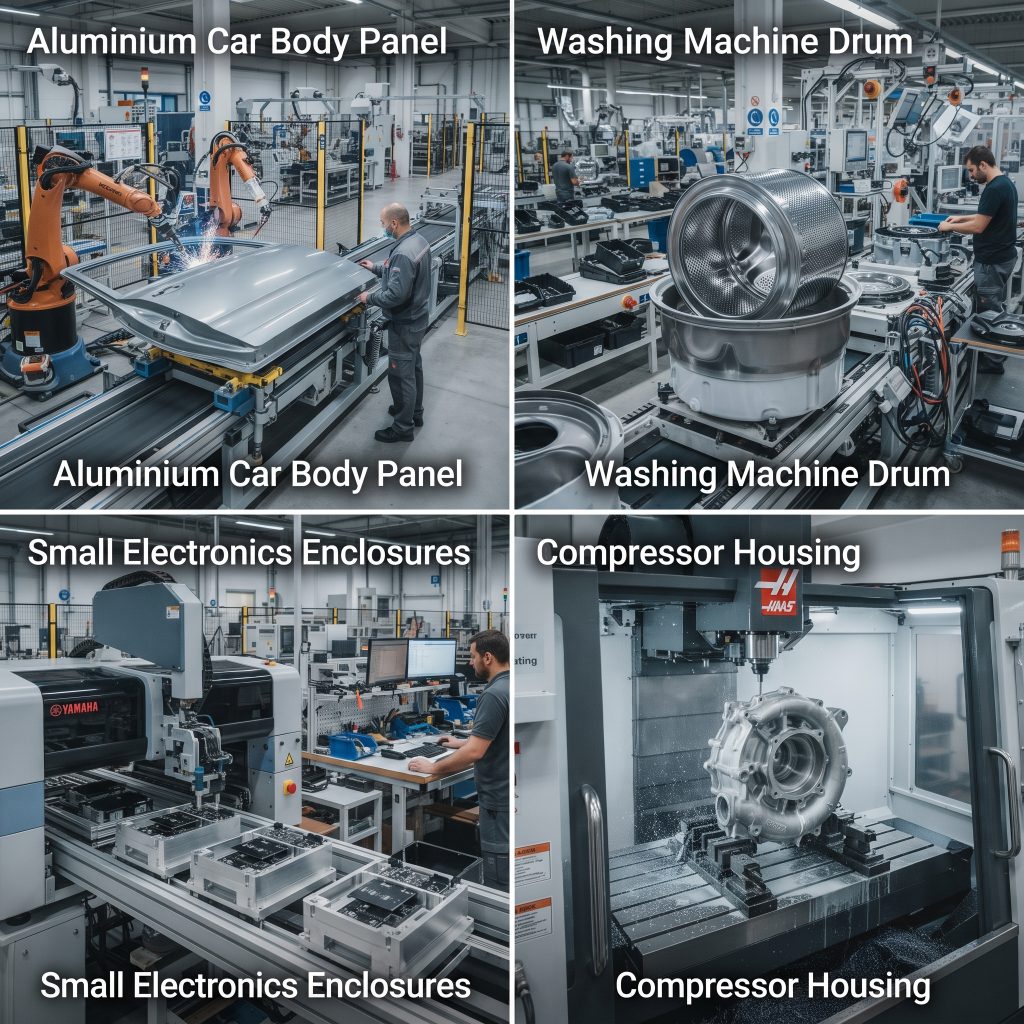
Aluminium’s weight savings make it valuable across several manufacturing sectors, but each comes with its own tolerance for weld failure:
- Automotive manufacturing – aluminium body panels, structural components, and battery enclosures for lighter, more fuel-efficient or electric vehicles
- Home appliance production – washing machine drums, refrigerator components, and housings where corrosion resistance matters
- Low-voltage electronics – enclosures and connectors requiring precise, repeatable welds at smaller scales
- Compressor and HVAC manufacturing – lightweight housings and components exposed to pressure and temperature cycling
In every one of these applications, the cost of a failed weld isn’t just rework — it’s warranty claims, recalls, or safety concerns downstream. That’s why the equipment behind the welding of aluminium matters as much as the weld schedule itself.
FAQ
Q1: Why is the welding of aluminium harder than steel?
Aluminium conducts heat and electricity far faster than steel and forms an oxide layer almost instantly, both of which require different current control and electrode strategies than steel welding uses.
Q2: What causes porosity in aluminium welds?
Porosity usually comes from trapped hydrogen, often introduced by surface contamination, moisture, or inconsistent electrode pressure during the weld cycle.
Q3: Can standard spot welders be used on aluminium?
Standard AC or basic resistance welders can struggle with aluminium’s conductivity and oxide layer. MFDC (Medium Frequency Direct Current) technology is generally better suited due to its faster, more stable current delivery.
Q4: How often should electrodes be replaced when welding aluminium?
Electrode wear happens faster with aluminium than steel due to sticking and alloy composition, so replacement intervals should be based on monitored weld consistency rather than a fixed steel-based schedule.
Q5: Is the welding of aluminium suitable for high-volume production lines?
Yes, with the right equipment. MFDC welders with real-time monitoring can maintain weld consistency at production speeds comparable to steel welding lines.
Final Thoughts: Getting Aluminium Welding Right the First Time
Failures in the welding of aluminium almost always trace back to a mismatch between the metal’s properties and the equipment or process being used to join it. Once you address current control, electrode design, and monitoring specifically for aluminium’s behavior, the same failures that seemed random start to disappear.
If your production line is still fighting inconsistent aluminium welds, it’s worth reviewing whether your current equipment was actually built for the job. Heron’s team can walk through your specific parts, alloys, and volumes and recommend the right MFDC welding setup for your welding of aluminium application — reach out for a quote today.