Welding plays a big role in building cars. Without welding, the metal parts of a car would not stay together. That’s why welding is so important in the automotive industry. An automotive welding machine working principle is, by using heat, electricity, and sometimes pressure to join metal parts. These machines help make strong, lasting connections that keep cars safe and solid.
Automotive Welding Machine Working Principle Guide 2026
In this guide, you will learn what automotive welding is, how these machines work, and why they are so important in car manufacturing. We will explain everything in simple words and easy-to-understand sentences, perfect for students, beginners, or anyone curious about car welding.
What Is Automotive Welding?
Automotive welding is the process of joining metal parts in the car industry. It is used during the manufacturing, assembling, and repairing of vehicles. Most parts of a car like the frame, body panels, engine mounts, exhaust system, and doors are made of metal.
To connect these parts, welding is used. It melts the edges of the metal pieces and joins them together. When the melted area cools down, it becomes one strong, solid piece.
This process creates a firm and lasting bond without using nuts, bolts, or glue. The joint becomes almost as strong as the metal itself. Automotive welding is done using special welding machines that provide the heat, electricity, and sometimes pressure needed to melt and fuse the metal.
Joining Metal Parts to Build Strong Cars
Every car is made up of hundreds of metal parts. These include the roof, floor, doors, side panels, hood, and trunk. For the car to work well and keep passengers safe, all these parts must be firmly joined. That’s where welding plays a big role.
A good weld keeps everything in place, even when the car is driving at high speeds or during a crash. Without proper welding, the car could become weak or fall apart over time. That’s why car makers use advanced welding machines and techniques to ensure each weld is strong, clean, and done in the exact right spot.
Welding also helps the car stay quiet and smooth. When parts are tightly joined, they don’t make noise or move around. This gives the driver a better experience and improves the life of the car.
Why Is Welding Important in Car Manufacturing?
-
Safety and Strength
Welding is one of the most important steps in building a car. It helps connect all the metal parts so they stay in place. A car must be strong and safe. It should protect the people inside during an accident and work well even on bumpy or rough roads. If the metal parts are not joined properly, the car can break, bend, or become unsafe.
Welding makes sure the car body stays strong. It helps the car handle pressure, vibration, and impact. Without good welds, the car frame might crack or come apart while driving. This can be very dangerous, especially at high speeds or in bad weather.
-
Real-Life Example
Imagine a car door that is not welded the right way. Over time, it may start to shake, make noise, or even come loose. If this happens while driving, it could cause a serious accident. The same goes for other parts like the roof, trunk, or floor. If they are not welded properly, they can fail or break down.
Proper welding makes the car more durable. It lasts longer and needs fewer repairs. That’s why car manufacturers use skilled welders and machines to ensure every weld is strong, clean, and in the right place. Good welding helps build cars that are safe, strong, and reliable for many years.
Common Types of Automotive Welding
-
MIG Welding, TIG Welding, and Spot Welding
There are many types of welding, but in the automotive industry, three main types are used the most: MIG welding, TIG welding, and Spot welding. Each one works in a different way and is used for different parts of the car.
These welding methods help build strong cars quickly and safely. Car companies choose the best type based on the material, part shape, and how strong the weld needs to be.
-
MIG Welding (Metal Inert Gas)
MIG welding is the most common type of welding used in car manufacturing and repair. It uses a welding gun that feeds a metal wire into the weld. This wire melts and joins the two metal parts together.
A special gas also comes out of the gun. This gas protects the hot metal from air, dust, and moisture. This helps make the weld clean and smooth. MIG welding is fast, easy to learn, and works well for welding steel and aluminum. It is often used in garages to repair bumpers, doors, or car frames.
-
TIG Welding (Tungsten Inert Gas)
TIG welding is used when a clean and high-quality weld is needed. It uses a tungsten rod that does not melt. Instead, it heats the metal until it melts and forms a weld. A separate filler rod may be added if needed.
Like MIG, TIG welding also uses a protective gas to keep the weld clean. TIG takes more time and skill, but the result is very strong and neat. It is often used on thinner materials or parts that are visible, like exhaust systems or fuel tanks.
-
Spot Welding
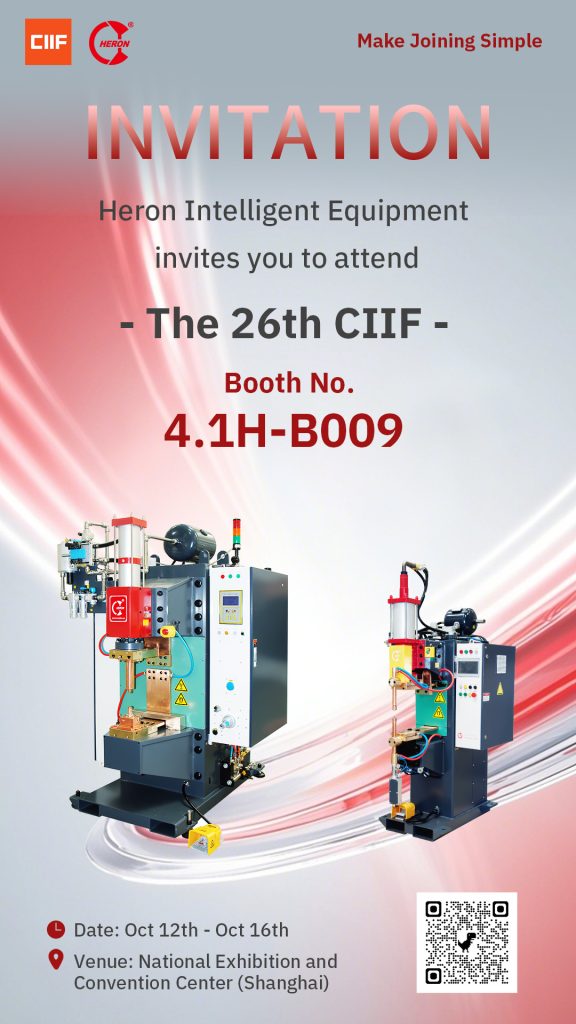
Spot welding is very common in car factories. It is used to join two thin metal sheets by applying electric current and pressure. No filler wire is needed in this process.
Two copper electrodes press the metal sheets together. When electricity passes through, it heats the metal at the contact point. The metal melts at that small spot and cools quickly, creating a strong weld. Spot welding is fast and cheap, which makes it great for mass production. It is used to build the car body, side panels, and floor sections.
Choosing the Right Type Automotive Welding Machine
Each type of welding has a different purpose. MIG welding is great for quick repairs and general work. TIG welding is perfect for fine details and visible parts. Spot welding is best for large production jobs where speed and cost matter.
Car manufacturers use all three methods to make sure each part is joined properly. The right type of welding helps improve the safety, look, and strength of the car.
Why Is Welding Important in Car Manufacturing?
-
Safety and Strength
Welding is one of the most important steps in building a car. It helps connect all the metal parts so they stay in place. A car must be strong and safe. It should protect the people inside during an accident and work well even on bumpy or rough roads. If the metal parts are not joined properly, the car can break, bend, or become unsafe.
Welding makes sure the car body stays strong. It helps the car handle pressure, vibration, and impact. Without good welds, the car frame might crack or come apart while driving. This can be very dangerous, especially at high speeds or in bad weather.
-
Real-Life Example
Imagine a car door that is not welded the right way. Over time, it may start to shake, make noise, or even come loose. If this happens while driving, it could cause a serious accident. The same goes for other parts like the roof, trunk, or floor. If they are not welded properly, they can fail or break down.
Proper welding makes the car more durable. It lasts longer and needs fewer repairs. That’s why car manufacturers use skilled welders and machines to ensure every weld is strong, clean, and in the right place. Good welding helps build cars that are safe, strong, and reliable for many years.
Each type of welding has a different purpose. MIG welding is great for quick repairs and general work. TIG welding is perfect for fine details and visible parts. Spot welding is best for large production jobs where speed and cost matter.
Car manufacturers use all three methods to make sure each part is joined properly. The right type of welding helps improve the safety, look, and strength of the car.
Basic Working Principle of Welding Machines
-
Heat + Pressure = Weld
The main job of a welding machine is to create heat. This heat melts the metal at the joint. When the metal cools, it becomes solid and the two parts are joined. This is called a weld.
The machine gets its power from electricity. The electricity flows through the metal and creates heat. Some machines also use pressure to help press the parts together. The result is a strong joint that does not break easily.
How Does Spot Welding Work in Cars?
Spot welding is mostly used to join car body panels. It works best for thin sheets of metal. It does not use a wire or rod. Instead, it uses two copper electrodes.
- Fast and Simple for Thin Sheets
Here is how it works: the machine presses two metal sheets between the electrodes. Then, electric current passes through the spot. The metal melts only at that small point. After the heat stops, the machine keeps pressing to join the sheets. This is a spot weld.
How Does MIG Welding Work?
MIG welding is very popular in garages and car repair shops. It is easy to use and works well on many types of metal. In this method, a wire is fed through a welding gun. This wire melts and fills the gap between two metal parts.
A gas also flows out of the gun. This gas keeps air and dust away from the hot metal. It helps make a clean weld. MIG welding is fast and good for joining larger pieces.
How Does TIG Welding Work?
TIG welding gives a very strong and neat weld. It is often used for parts that need to look nice or handle high heat. For example, TIG welding is used to make exhaust systems and engine parts.
This method uses a tungsten rod and a filler rod. The welder controls both rods with great care. TIG welding needs more time and skill, but the result is very clean and strong.
How Robotic Welding Machines Work?
In big car factories, most welding is done by robots. These machines are programmed to do the same job again and again. They are fast, accurate, and never get tired.
A robotic welding arm moves and welds at the right spot every time. It uses sensors to find the metal and makes perfect welds. Human workers only watch or control the machine from a safe distance.
Safety Features of Automotive Welding Machines
Welding machines produce very high heat and bright light. They can also create sparks and smoke. That’s why safety is very important during welding work.
Modern welding machines come with many safety features. Some have automatic shut-off if something goes wrong. Others have covers or shields to protect the user. Workers also wear gloves, helmets, and jackets to stay safe from burns and electric shock.
- Common Problems in Automotive Welding
Sometimes, the welds may not be strong. This can happen for many reasons. If the metal is dirty, rusty, or oily, the weld may not stick well. Also, if the machine setting is wrong, the weld may be too weak or too deep.
Another problem is cracks in the weld. These can happen if the metal cools too fast or is under stress. That’s why welds are tested and checked after the job is done.
READ ALSO: Robot Welding Guns: The Smarter Solution to Modern Manufacturing Challenges
How to Make Strong Welds?
If you want strong and clean welds, always clean the metal before welding. Remove any dirt, paint, or oil. Use the right machine settings based on the type and thickness of the metal.
Practice helps a lot too. If you are new to welding, try first on scrap metal. Learn to move your hand steadily and keep the right distance from the metal. Over time, your welds will look better and be stronger.
-
Welding in Car Repair Work
When a car is damaged in an accident, welding can help fix it. Mechanics cut off the damaged parts and weld new metal pieces. This makes the car strong again and ready for the road.
MIG welding is often used in repairs because it’s quick and easy. In some cases, TIG welding may be used for more detailed work. Good welding makes sure the car looks good and stays safe after the repair.
-
Welding in Electric and Hybrid Cars
Electric cars are different from regular cars. They use new materials like aluminum or lightweight alloys. These materials need special welding techniques.
Some welding machines are now made just for electric vehicles. They can handle thinner and lighter materials. As more people buy electric cars, the demand for skilled welders is growing too.
-
The Future of Automotive Welding
Welding technology is always improving. In the future, machines will use smart sensors and even artificial intelligence (AI) to make perfect welds. They will need less human help and work more safely.
Also, more energy-saving machines are being developed. These machines will use less power and reduce waste. Welding will become more eco-friendly and even more accurate.
Final Thoughts
Welding is a key part of building cars. Automotive welding machines help join metal parts to create strong, safe, and long-lasting vehicles. Whether done by hand or robot, welding must be done correctly to keep people safe.
We hope this article helped you understand how welding machines work in the automotive industry. If you are interested in cars, machines, or repair work, learning more about welding is a great idea. It’s a skill that is always in demand and very useful.