Flush Self-Pierce Riveting Machines in Automotive Production. The automotive industry is changing fast. Car makers are now using lightweight materials, building more electric vehicles (EVs), and working to reduce emissions. These goals require advanced joining techniques that are strong, reliable, and efficient. One such method is Flush Self-Pierce Riveting (FSPR).
FSPR machines allow automakers to join metal sheets without heat or pre-drilled holes, making them perfect for modern multi-material vehicles. In this article, we’ll explore what FSPR is, how it works, where it’s used, and why it’s shaping the future of car production.
Flush Self-Pierce Riveting Machines in Automotive Production
Flush Self-Pierce Riveting (FSPR) is a cold mechanical fastening method. It’s used to join two or more sheets of metal—such as aluminum and high-strength steel—without needing to drill holes or apply heat.
In the FSPR process, a semi-tubular rivet is driven into the top layers. The rivet pierces only the top sheets, while expanding within the lower layer to create a strong mechanical lock. The head of the rivet is pressed flush with the surface, leaving a smooth and flat finish—ideal for car bodies.
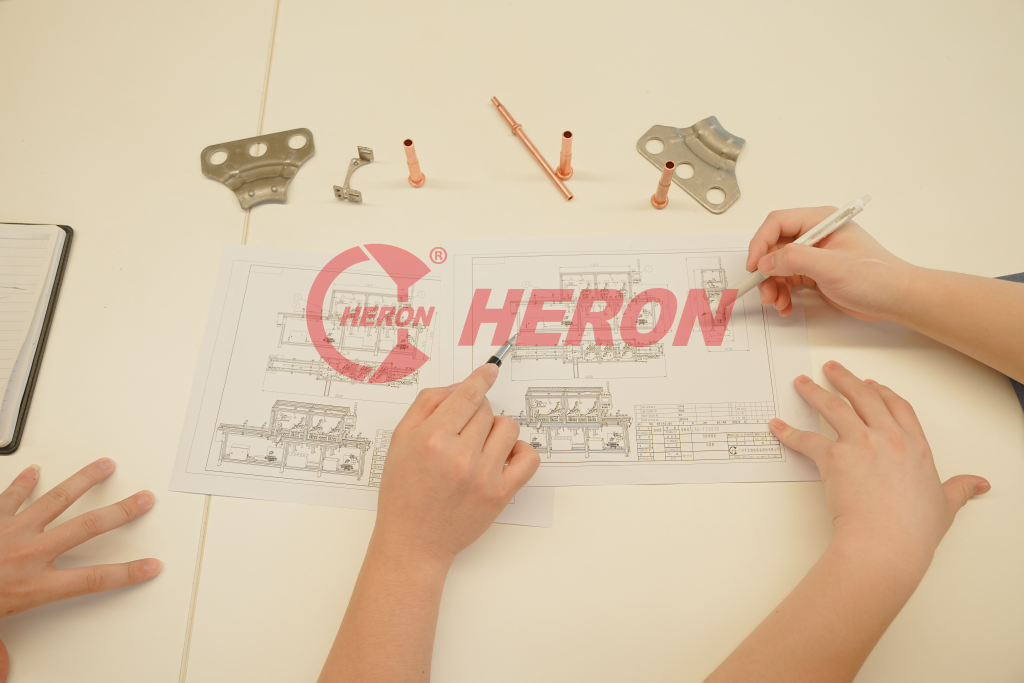
To explore high-quality FSPR equipment, visit this self-pierce riveting machine page from Heron Intelligent Equipment for full specifications and applications.
Why Is FSPR Becoming Popular in Car Manufacturing?
FSPR is gaining popularity because of the shift toward lighter vehicles. Traditional steel vehicles are being replaced with designs that use aluminum, magnesium, and composites. These lightweight materials help lower fuel consumption and support EV battery efficiency.
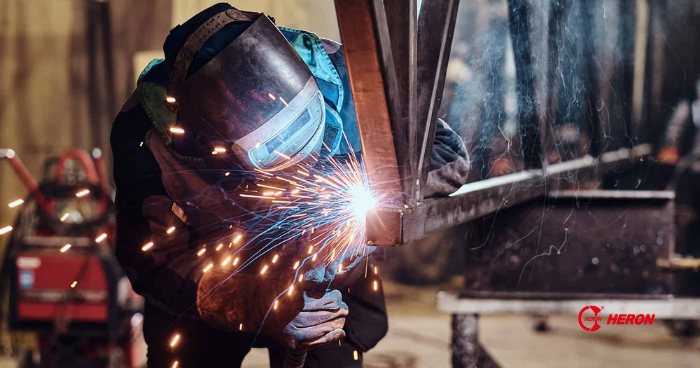
However, joining these materials is challenging. Resistance spot welding, the old standard, does not work well with aluminum. Welding also generates heat, which can distort materials and weaken structural areas. FSPR solves these problems by:
-
Working without heat, so materials don’t warp.
-
Joining dissimilar metals, like aluminum to steel.
-
Leaving flush joints, ideal for design, painting, and aerodynamics.
How Does Flush Self-Pierce Riveting Machines Work?
Let’s break down the FSPR process step by step:
-
Clamping: The sheets of metal are held tightly between a punch and a die.
-
Piercing: The FSPR machine drives the semi-tubular rivet into the top layers.
-
Locking: The rivet spreads within the bottom layer without punching through.
-
Finishing: The rivet head is flattened flush with the surface.
This entire process happens in less than a second, making it perfect for high-volume car production lines. The die is carefully shaped to form the material correctly and prevent cracking. These machines can be fully automated or manually operated, depending on the production need.
For a closer look at industrial FSPR systems, check out Heron Intelligent Equipment’s FSPR machines here.
Benefits of FSPR Machines in Automotive Production
There are many reasons why automakers choose FSPR over traditional methods:
1. Strong Mechanical Joint
FSPR creates a high-strength joint that performs well under load, vibration, and crash conditions. The rivet forms a solid mechanical interlock, even in multi-layer sheet stacks.
2. Flush Finish
The rivet head is flush with the surface, allowing for easier painting and aerodynamic designs. This is important for panels, hoods, and EV battery enclosures.
3. No Pre-Drilling or Heat
Because it’s a cold process, FSPR saves time and energy. It also avoids problems like heat-affected zones or melting.
4. Works with Dissimilar Metals
FSPR easily joins aluminum to steel or other metal combinations that are difficult to weld.
5. Automation-Ready
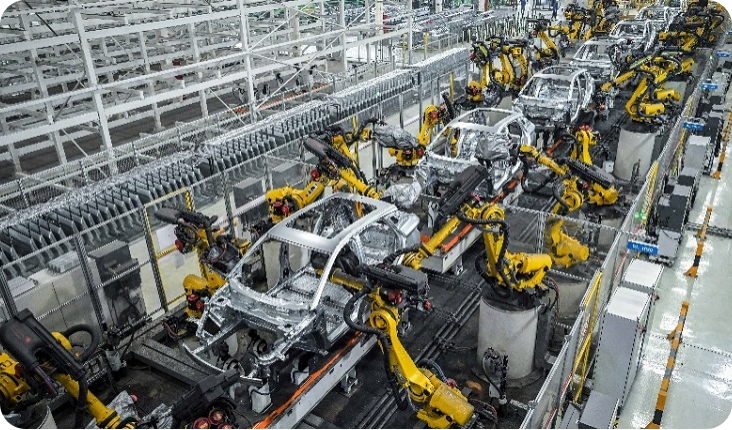
FSPR machines can be integrated into robotic production lines, allowing for precise, repeatable rivet placement.
To see how these machines work in real-time, visit Heron’s detailed guide on self-pierce riveting machines.
Real-World Example: Ford F-150 and FSPR Technology

The Ford F-150, one of the most popular trucks in the U.S., uses an aluminum body to save weight. But aluminum is difficult to weld with traditional methods. Ford uses FSPR technology to join the aluminum body panels efficiently.
FSPR helped reduce the truck’s weight by over 700 pounds, improving both fuel economy and payload capacity. The flush rivets also give the truck a clean, high-quality appearance, while meeting strict crash safety standards.
This real-life case shows how FSPR supports innovation in lightweight vehicle design.
Applications of FSPR in Vehicle Assembly
FSPR is now used in many parts of a vehicle, including:
-
Doors and tailgates
-
Hood and trunk lids
-
Roof panels
-
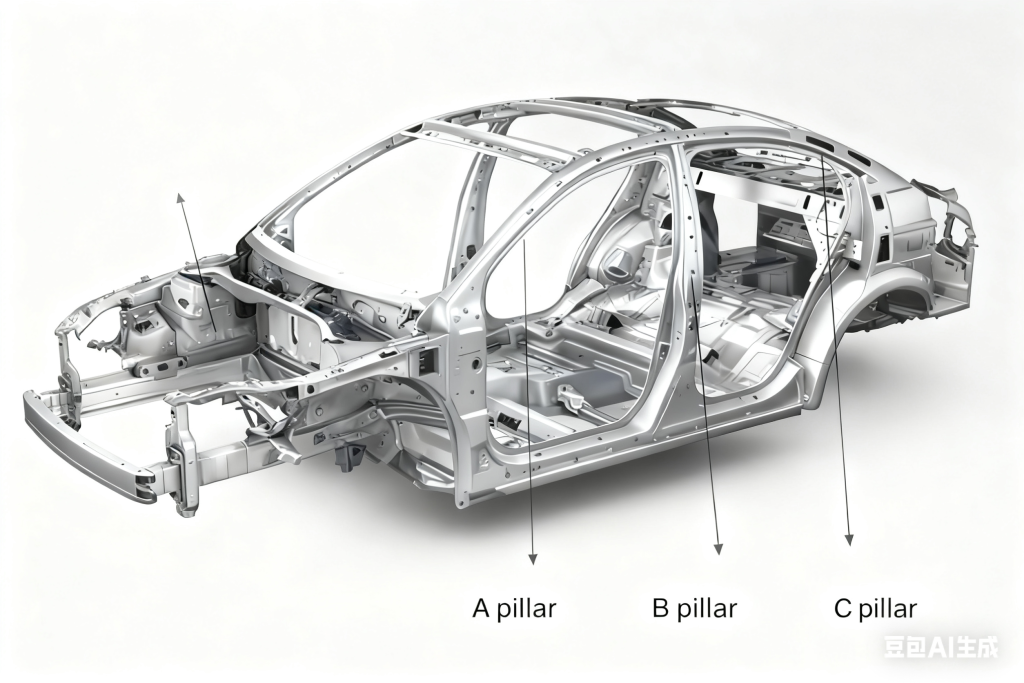
B-pillar and crash zones
-
Battery housings for electric vehicles
Automakers value the precision and durability that FSPR offers, especially in parts that require both style and strength. Electric vehicles (EVs) benefit the most, as they rely heavily on lightweight and modular components.
READ MORE: 15 Hidden Advantages of Self-Pierce Riveting Machine You Didn’t Know About
Components of a Flush Self-Pierce Riveting Machine System
A full FSPR system includes:
-
Punch and die: To shape and support the materials.
-
Rivet feeding unit: To load and position rivets automatically.
-
Servo-hydraulic drive: For controlled force application.
-
Quality monitoring sensors: To detect any misalignments or defects.
-
Control software: For automated programming and process monitoring.
Leading suppliers like Heron Intelligent Equipment offer complete systems tailored to customer requirements in automotive, aerospace, and rail industries.
Flush Self-Pierce Riveting Machines vs Other Joining Methods
| Joining Method | Heat Required | Dissimilar Materials | Surface Finish | Cycle Time |
|---|---|---|---|---|
| Spot Welding | Yes | Poor | Rough | Fast |
| Adhesive Bonding | No | Good | Smooth | Slow |
| Bolting/Screwing | No | Fair | Visible heads | Medium |
| FSPR | No | Excellent | Flush | Fast |
This comparison shows how FSPR offers the best combination of strength, speed, and aesthetics, especially for multi-material vehicle structures.
Environmental and Cost Advantages
FSPR not only improves performance but also supports green manufacturing goals:
-
Lower energy use due to cold joining.
-
No emissions like fumes or sparks from welding.
-
Fewer consumables, reducing waste and maintenance.
-
Recyclable materials, supporting circular economy models.
Though the initial cost of FSPR machines may be high, the long-term benefits—faster production, reduced defects, and minimal downtime—deliver excellent ROI for large manufacturers.
Challenges of FSPR
FSPR is not without its limitations. Some challenges include:
-
Material thickness: It works best with thin to medium-gauge metals (typically 0.8–3.5 mm).
-
Tool wear: Punches and dies require regular maintenance.
-
Initial cost: Higher investment for equipment and automation.
However, with proper setup and support from experienced providers like Heron Intelligent Equipment, these challenges are easy to overcome.
The Future of FSPR in Automotive Production
FSPR is expected to grow rapidly in the coming years due to:
-
Electric vehicle expansion
-
Lightweight car body structures
-
Smarter automated factories (Industry 4.0)
Innovations like real-time quality monitoring, AI-based control systems, and custom rivet dies are already being developed. As sustainability becomes more important, non-thermal joining methods like FSPR will become the industry standard.
Conclusion
Flush Self-Pierce Riveting (FSPR) machines are transforming how cars are made. They provide a strong, fast, and clean solution to join modern materials—especially for electric vehicles and lightweight structures. With benefits like flush surfaces, material flexibility, and process speed, FSPR is an ideal choice for next-generation automotive production.