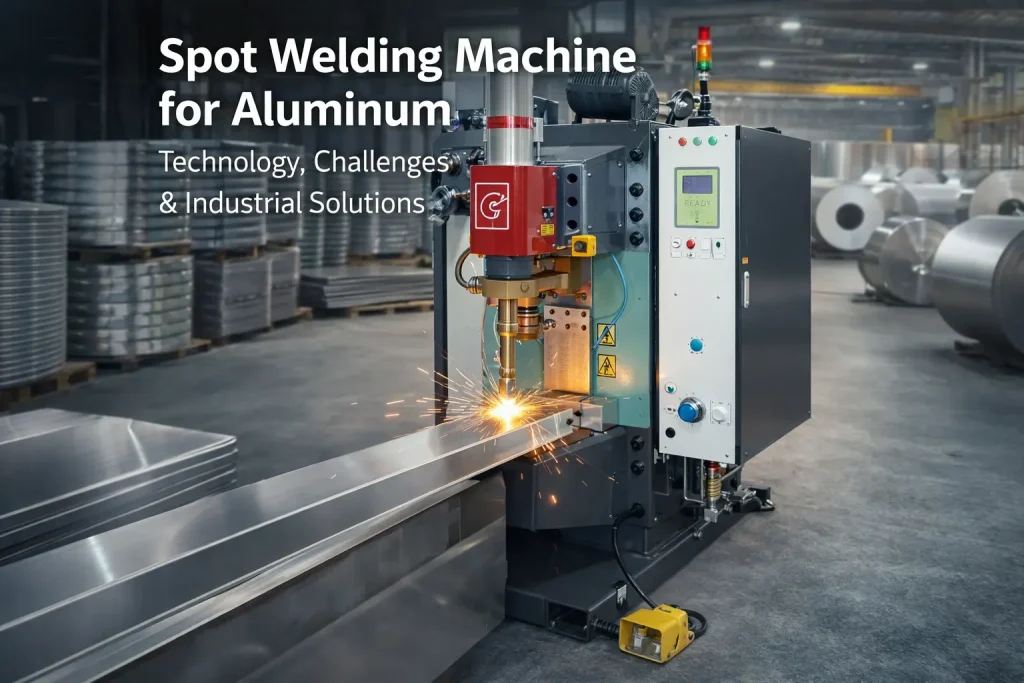
Resistance Spot Welding Standards are critical guidelines that define how metal sheets are joined in industrial production using electric resistance. These standards ensure that each weld meets strict criteria for strength, durability, and safety, which are essential in sectors like automotive, electronics, home appliances, and heavy machinery. Without adherence to proper standards, welds can fail under stress, leading to product defects, increased rework, and safety hazards.
Over the years, global organizations such as ISO, AWS, JIS, and DIN have developed comprehensive codes that outline the required parameters for resistance spot welding, including welding current, electrode pressure, weld time, and heat input.
Engineers and production managers rely on these standards to optimize manufacturing lines, reduce downtime, and maintain consistent quality. Modern technologies, such as MFDC spot welders and automated welding systems, have further improved precision, ensuring compliance with industry standards while enhancing efficiency.
For manufacturers, understanding resistance spot welding standards is not just about following rules it is about ensuring repeatable quality, improving operational efficiency, and maintaining safety across production lines.
Resistance Spot Welding Standards: Complete Guide for Industrial Applications
Resistance spot welding (RSW) is a critical process in modern manufacturing, used widely in automotive, electronics, home appliances, and industrial equipment production. Understanding and applying the correct resistance spot welding standards ensures product quality, safety, and process efficiency. This guide provides a complete overview of these standards, their practical applications, and how manufacturers can align welding processes with industry best practices.
Introduction to Resistance Spot Welding Standards
Resistance spot welding is a form of electric resistance welding where metal sheets are joined at localized points through heat generated by electrical resistance. The process is fast, energy-efficient, and widely used for thin metal assemblies.
Adhering to standardized welding procedures is critical because:
-
It ensures consistent weld strength and quality.
-
It minimizes production defects and rework.
-
It guarantees compliance with international quality and safety regulations.
Manufacturers rely on international standards to define acceptable parameters such as welding current, electrode pressure, weld time, and heat input. These standards are essential for engineers, quality managers, and procurement teams to ensure product reliability and operational efficiency.
Key International Standards for Spot Welding
Several organizations provide guidelines and standards for resistance spot welding, ensuring consistency across industries.
ISO Standards
ISO standards such as ISO 14332 and related welding guidelines specify requirements for welding equipment, process parameters, and testing procedures. ISO standards are widely recognized across Europe and Asia, particularly in automotive manufacturing.
AWS D8.1 Spot Welding Code
The American Welding Society (AWS) D8.1 code is commonly used in North America. It outlines recommended practices for resistance welding, including electrode sizing, weld current ranges, and joint design specifications. Compliance with AWS D8.1 ensures consistent weld quality in production lines.
JIS Z 3141 Welding Standards
The Japanese Industrial Standards (JIS) provide spot welding guidelines for electronics and precision manufacturing. These standards define weld parameters, inspection methods, and machine calibration procedures critical for high-volume, high-precision applications.
DIN EN 1011-2 Requirements
The DIN EN 1011-2 standard from Germany focuses on welding safety, electrode maintenance, and process verification, helping manufacturers maintain high-quality welding processes while meeting European regulatory compliance.

Resistance Spot Welding Parameters and Tolerances
Proper application of spot welding standards involves controlling key process parameters. Deviating from these tolerances can result in weak joints, excessive spatter, or premature machine wear.
Welding Current and Heat Input
-
Resistance welding relies on precise current and heat control.
-
Standard weld current ranges vary by material thickness, metal type, and production speed.
-
Excessive current can burn electrodes, while insufficient current produces weak welds.
Weld Nugget Size and Joint Design
-
Weld nugget diameter is crucial for joint strength.
-
Typical industrial standards define nugget size as a function of sheet thickness (e.g., 4–6 mm diameter for 1 mm steel sheets).
-
Proper joint design prevents metal distortion and ensures uniform load distribution.
Electrode Pressure and Maintenance
-
Correct electrode pressure is specified in standards to ensure uniform heat distribution.
-
Electrode maintenance is essential to prevent wear and maintain compliance.
-
Many production facilities schedule routine electrode reshaping and cleaning cycles based on usage hours.
Quality Control and Inspection Methods
Resistance Welding Quality Control
Manufacturers implement real-time monitoring systems to track weld current, voltage, and time. Monitoring ensures each spot meets standard specifications.
Spot Weld Joint Testing
-
Destructive testing methods: peel tests, cross-tension tests, and shear testing.
-
Non-destructive methods: ultrasonic testing or X-ray inspection.
-
Ensures compliance with standards such as ISO 14332 or AWS D8.1.
Troubleshooting Common Welding Defects
Common defects include:
-
Insufficient nugget size
-
Porosity or voids
-
Electrode misalignment
Following standardized inspection methods allows manufacturers to identify and correct defects before mass production, reducing waste and downtime.
Industry Applications of Resistance Spot Welding Standards
Automotive Welding Compliance
Automotive manufacturers rely heavily on RSW standards to produce structural body panels, brackets, and chassis components. Compliance with ISO and AWS standards ensures consistent crashworthiness and durability.
Electronics and Home Appliance Manufacturing
-
Thin metal assemblies in electronics and appliances require precise welding currents and joint tolerances.
-
Spot welding standards help manufacturers avoid overheating delicate components and maintain product reliability.
Electrical Motor and Compressor Assembly
-
In motor manufacturing, weld quality directly affects performance and longevity.
-
Adhering to standards ensures consistent rotor and stator assembly integrity, reducing warranty claims and failures.

Selecting Standard-Compliant Spot Welding Machines
MFDC Spot Welder Compliance
-
Modern manufacturing often uses MFDC (Medium-Frequency Direct Current) spot welders.
-
MFDC technology offers precise current control, faster cycle times, and lower energy consumption.
-
Choosing machines compliant with ISO, AWS, and JIS standards ensures consistent weld quality across high-volume production.
Robotic and Manual Welding Gun Selection
-
Automated lines require robotic guns that meet electrode alignment and repeatability standards.
-
Manual welding guns should comply with current, electrode pressure, and safety guidelines.
Integrating Welding Automation Systems
-
Automating standard-compliant welding reduces human error and ensures repeatable weld quality.
-
Standard-compliant automation supports data logging for traceability, which is critical in regulated industries.
Best Practices for Compliance and Safety
Maintaining Welding Machines and Electrodes
-
Routine calibration of welders ensures compliance with voltage, current, and timing parameters.
-
Electrode maintenance schedules prevent joint defects and equipment damage.
Documentation: Welding Procedure Specification (WPS)
-
WPS documents outline machine settings, process parameters, and inspection criteria.
-
Essential for regulatory compliance and internal quality audits.
Training and Operator Safety Standards
-
Standardized training ensures operators understand process tolerances and safety requirements.
-
Compliance with OSHA or local safety regulations reduces workplace accidents.
FAQs – Resistance Spot Welding Standards
1. What are resistance spot welding standards?
Resistance spot welding standards are technical guidelines that define how metal sheets should be joined using electrical resistance. They specify welding parameters, electrode maintenance, inspection methods, and quality control measures to ensure consistent, safe, and durable welds in industrial applications.
2. Why are resistance spot welding standards important in manufacturing?
Adhering to standards ensures joint strength, product reliability, and compliance with industry regulations. It minimizes defects, reduces rework, and ensures consistent performance in critical applications such as automotive, electronics, and electrical equipment.
3. Which international standards govern resistance spot welding?
The main standards include:
-
ISO 14332 – Global welding guidelines
-
AWS D8.1 – American Welding Society spot welding code
-
JIS Z 3141 – Japanese Industrial Standards for precision welding
-
DIN EN 1011-2 – German standards for welding safety and quality
4. What parameters are controlled under these standards?
Key parameters include welding current, heat input, electrode pressure, weld time, and weld nugget size. Proper control of these factors ensures repeatable weld quality across production lines.
5. How are resistance spot welds inspected for quality?
Quality control involves destructive tests (peel, shear, and cross-tension) and non-destructive tests (ultrasonic, X-ray). These methods ensure welds meet strength, size, and process tolerance requirements.
6. Can modern welding machines ensure standard compliance?
Yes. MFDC spot welders, robotic welding guns, and automated systems are designed to maintain precise current, pressure, and timing. Integration of monitoring systems ensures each weld aligns with international standards.
7. What industries use resistance spot welding standards the most?
-
Automotive – body panels, brackets, chassis
-
Home Appliances – metal casing, structural components
-
Electronics – thin sheet assemblies
-
Electrical Motors and Compressors – rotor and stator assemblies
8. How often should electrodes and machines be maintained?
Standards recommend routine inspection and maintenance based on machine usage hours. Electrode reshaping, cleaning, and calibration are critical to maintain consistent weld quality and extend equipment life.
9. What is a Welding Procedure Specification (WPS) in resistance welding?
A WPS is a documented set of instructions that details the machine settings, welding parameters, inspection methods, and safety procedures for each welding operation. It ensures repeatable and standard-compliant welds.
10. How can manufacturers ensure their production lines comply with welding standards?
Compliance is achieved by:
-
Using standard-compliant welding machines
-
Training operators on process parameters and safety
-
Maintaining electrodes and machines regularly
-
Performing quality inspections and documenting results per ISO, AWS, JIS, or DIN standards
Summary
Resistance spot welding is a cornerstone of industrial manufacturing, and adherence to international welding standards is critical for quality, safety, and efficiency. Manufacturers who integrate ISO, AWS, JIS, and DIN standards into their production processes benefit from:
-
Consistent joint quality and structural integrity
-
Reduced production defects and machine downtime
-
Compliance with safety and regulatory requirements
For production lines requiring precision and repeatability, standard-compliant MFDC spot welders, robotic welding guns, and automated systems provide measurable ROI. Ensuring compliance not only protects the end product but also strengthens the credibility of the manufacturing process.
For manufacturers looking for standard-compliant welding solutions, Heron-Welder offers machines, automation systems, and technical expertise that align with international welding standards.